
Handshake AI for Beginners: What It Is and How It Works

Artificial intelligence is creating new opportunities for professionals who may never write a line of code or build a machine learning model. Behind many of today's most advanced AI systems is a growing need for human expertise. Researchers, engineers, doctors, lawyers, consultants, academics, finance professionals, and specialists across dozens of industries are increasingly being invited to contribute their knowledge to help train, evaluate, and improve AI models.
We recently wrote about Outlier AI and how it connects domain experts with AI companies looking to improve model quality through human feedback, from reviewing outputs for accuracy to writing prompts that stress-test a model's reasoning. Another platform helping make these connections possible is Handshake AI.
If you've come across discussions about Handshake AI online, you've probably seen questions like: What is Handshake AI? How does Handshake AI work? Is Handshake AI legitimate? How much does Handshake AI pay? These are all important questions, especially for professionals looking to earn additional income by participating in AI-related projects.
In this guide, we'll break down exactly what Handshake AI is, everything you need to know and whether the platform is worth considering in 2026.
What Is Handshake AI?
Handshake AI is a talent marketplace that connects students, graduates, researchers, and working professionals with paid projects that help train and improve artificial intelligence systems. Rather than building AI models itself, Handshake AI partners with leading AI labs that need human expertise to make their models more accurate, useful, and reliable.
The platform operates as a structured talent marketplace for AI development. Companies developing large language models and other AI systems often require human experts to review outputs, write and evaluate prompts, test responses, identify errors, rank model preferences, and provide domain-specific feedback through processes like reinforcement learning from human feedback (RLHF). Handshake AI helps source and manage these contributors at scale, creating opportunities for people who want to participate in the growing AI economy.
Think of it this way: AI models learn from massive amounts of data, but they still need human judgment to understand whether their responses are accurate, helpful, and aligned with real-world expertise. A finance professional can evaluate financial explanations. A lawyer can assess legal reasoning. A scientist can review technical answers in their field. Handshake AI helps connect these experts with the companies building AI systems.
The platform emerged from Handshake's broader career network, which already connects millions of students, graduates, and professionals with employers. This gives AI companies access to contributors from a wide range of disciplines, including mathematics, engineering, healthcare, law, finance, business, education, and scientific research.
One important thing to understand is that Handshake AI is not a traditional freelancing platform like Upwork or Fiverr. Contributors do not typically pitch for projects or negotiate directly with clients. Instead, Handshake AI matches people to opportunities based on their qualifications, expertise, and the needs of specific AI projects. In most cases, a relevant degree, professional background, or demonstrated subject-matter expertise is required to qualify.
Handshake AI is currently focused on participants based in the United States. To join the Handshake AI Fellowship, users generally need valid U.S. work authorisation, although Handshake notes that some non-U.S. participants may be invited on a limited, invitation-only basis. Nigeria and most African markets are not currently listed as generally supported regions, so it is best to check Handshake's eligibility requirements for the latest updates before applying.
As AI companies continue searching for high-quality training data and expert feedback, platforms like Handshake AI have become an increasingly important part of the AI ecosystem. They provide a bridge between human expertise and machine learning, helping AI systems become more capable while creating new earning opportunities for professionals around the world.
Also read: How remote workers can diversify their income in 2026.
How Does Handshake AI Work?
If Handshake AI acts as the bridge between human expertise and AI development, the next question is straightforward: what does that process actually look like?
At its core, Handshake AI helps AI companies find people with the knowledge needed to improve their models. When a company needs that expertise, Handshake AI helps source contributors whose backgrounds align with the project's requirements. The exact criteria can vary depending on the work involved. Some projects may require professional experience in a specific industry, while others may require advanced academic qualifications or subject-matter expertise.
Once contributors are matched with a project, they are given tasks designed to help train, test, or evaluate AI systems. These tasks can take different forms. A contributor might review an AI-generated response and rate its quality. They might compare two answers and determine which one is more accurate. In some cases, they may be asked to provide detailed feedback, solve domain-specific problems, or assess whether an AI model's reasoning is sound.
Imagine an AI system generating a legal explanation. A lawyer can determine whether that explanation is accurate. If an AI model produces financial advice, a finance professional can evaluate whether the information is accurate and useful. The same principle applies across healthcare, engineering, education, science, and many other disciplines.
This feedback becomes part of the process that helps AI companies improve their models over time. The better the feedback, the better the model can become.
Who Can Join Handshake AI
By this point, you may be wondering whether Handshake AI is open to everyone and what contributors can realistically earn. The answer largely depends on your background and the expertise a project requires.
Unlike many gig work platforms that focus on general tasks, Handshake AI is designed to connect AI companies with people who can provide informed, high-quality feedback. As a result, contributors are often selected based on their education, professional experience, technical skills, or subject matter knowledge.
Many opportunities are geared toward university students, graduates, researchers, PhD holders, and professionals working in fields such as software engineering, mathematics, data science, healthcare, law, finance, education, and scientific research. That does not necessarily mean you need an advanced degree to participate, but having demonstrable expertise in a particular area can improve your chances of being matched with relevant projects.
The application process typically involves creating a profile and providing information about your academic background, work experience, skills, and areas of expertise. Depending on the project, some contributors may also be required to complete assessments or screening exercises that help determine whether they are a good fit for specific assignments.
One important consideration is eligibility. At the time of writing, some Handshake AI programs and opportunities are focused on individuals with U.S. work authorisation. Requirements can change over time, so it is always worth checking the latest eligibility information before applying.
How Much Does Handshake AI Pay?
Compensation on Handshake AI varies significantly depending on the project, the complexity of the work, and the expertise required.
Unlike traditional salaried roles, contributors are generally paid for project-based work. Projects that require highly specialised knowledge in fields such as law, medicine, engineering, or advanced mathematics may offer higher rates than more general evaluation tasks.
Handshake AI does not publish a single standard pay rate for every contributor. Instead, compensation is typically communicated during the project matching and onboarding process. The amount you earn can depend on factors such as your qualifications, the type of project, the expected workload, and the level of expertise required.
Because projects vary, earnings can differ widely from one contributor to another. Some people may participate occasionally to earn supplemental income, while others may take on multiple projects over time as opportunities arise.
The key takeaway is that Handshake AI is not designed as a traditional full-time job platform. Instead, it provides access to paid opportunities that allow qualified contributors to use their knowledge to support the development of AI systems while earning compensation for their expertise.
If your qualifications align with a project's needs, the next step is to understand how to create a profile and position yourself for opportunities on the platform.
How to Get Started on Handshake AI
If Handshake AI sounds like something you'd like to explore, the good news is that getting started is relatively straightforward. The platform is designed to match contributors with projects based on their qualifications and expertise, so the first step is making sure your profile accurately reflects your background.
Step 1: Create Your Handshake AI Account
Begin by signing up through the Handshake AI Fellowship portal. During the application process, you'll create an account and verify your email address. You'll also be asked to upload your résumé or CV and provide information about your education, work experience, skills, and areas of expertise.
The more complete and detailed your profile is, the easier it becomes for Handshake AI to identify projects that align with your background.
Step 2: Complete Your Application
Once your profile is set up, you'll submit your application to join the program. Handshake AI reviews applications and keeps contributor profiles available for matching as new projects become available. Project availability depends on demand from AI lab partners, so there is no guaranteed timeline for receiving an invitation.
Step 3: Wait for a Project Match
Unlike traditional freelance platforms where you actively bid on jobs, Handshake AI primarily operates through project matching. If your qualifications align with a project's requirements, you'll receive an email inviting you to express interest in participating. These invitations typically include important information such as:
- A description of the project
- Expected time commitments
- Estimated project duration
- Compensation details
- Participation requirements
Some projects may also request additional materials, such as a portfolio, work samples, or other supporting information.
Step 4: Complete Screening and Selection
For certain projects, there may be an additional review or screening process before final selection. Depending on the role, this could involve assessments, qualification exercises, or a review of submitted work samples. AI labs use this information to determine whether a contributor is a good fit for the project.
Step 5: Finish Onboarding and Training
If you're selected, you'll complete onboarding requirements and any project-specific training. This stage helps contributors understand project expectations, workflows, quality standards, and deliverables before they begin working.
Step 6: Start Contributing
Once onboarding is complete, you can begin working on assigned tasks. Depending on the project, this could involve reviewing AI-generated content, evaluating model responses, annotating datasets, testing outputs, or providing expert feedback. Your contributions help AI companies improve their models' performance over time.
One thing to keep in mind is that project matching is not always immediate. Some contributors receive invitations relatively quickly, while others may wait longer depending on project demand and how closely their expertise aligns with current opportunities.
How to Receive Your Handshake AI Earnings
Once you're accepted into a project and begin completing paid work, Handshake AI processes contributor payouts through Stripe. Contributors are typically asked to set up their payout details through Stripe before payments can be sent.
For U.S.-based contributors, this process is usually straightforward. However, things can become more complicated if you live outside the United States or need a reliable way to receive and manage U.S. dollar payments.
This is where having access to a global banking solution becomes important.
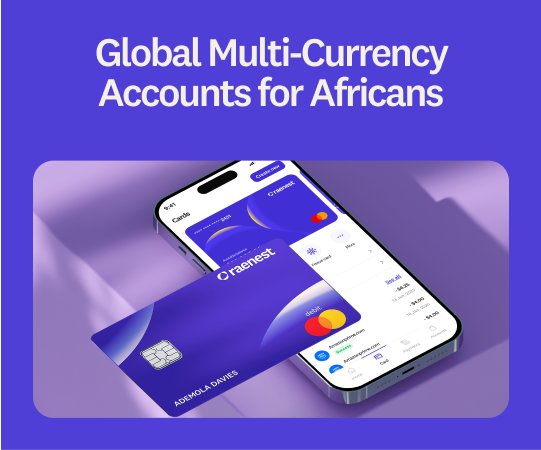
With Raenest, professionals and remote workers can receive international payments, hold funds in foreign currencies, and manage their earnings more efficiently from a single platform. Instead of relying on traditional banking systems that may involve delays, conversion challenges, or additional fees, you can access USD, GBP, and EUR accounts designed for cross-border payments.
If you're building multiple income streams through remote work, freelance projects, consulting, or AI-related opportunities, having a reliable way to receive international payments can be just as important as finding the opportunities themselves. As you set up your Handshake AI profile, be sure to create a Raenest account if you don’t have one.
FAQ
- Is Handshake AI legitimate?
Yes. Handshake AI is a real platform backed by Handshake, an established career network used by millions of students and graduates. Handshake AI partners with AI labs that need qualified contributors to help train and evaluate their models. Contributors are paid for completed work through Stripe, and the platform has an active user base across multiple countries.
- Handshake AI vs Outlier: which one should I join?
Both connect contributors to AI training and evaluation work, but they are structured differently. Handshake AI operates through project matching, meaning you apply and wait to be selected based on your qualifications. Outlier allows contributors to browse and apply to tasks more directly. Handshake AI tends to place greater weight on domain expertise, making it better suited to professionals with specialist backgrounds in law, medicine, engineering, or academia. If you qualify for both, working across platforms is a reasonable approach since neither requires exclusivity.
- How long does Handshake AI take to respond after applying?
There is no fixed response time. Matching depends on your expertise aligning with a live project, so timelines vary. Some contributors receive invitations within a few weeks. Others wait longer if there are no active projects relevant to their background. The platform does not typically send rejections, so the absence of contact usually means there is no suitable match yet, rather than a formal decline.
- Does Handshake AI pay well?
Pay on Handshake AI varies by project. Highly specialised work in fields like medicine, law, or advanced mathematics generally pays more than general evaluation or writing tasks. Contributors do not negotiate rates directly. Compensation details are shared during the project invitation stage before you commit. The platform is not designed for full-time income but can be a meaningful source of supplemental earnings for professionals whose expertise matches project requirements.
- Can I join Handshake AI outside the United States?
Handshake AI's Fellowship programme is primarily focused on participants with US work authorisation. However, the platform notes that some non-US participants may be invited on a limited, invitation-only basis. Availability for international contributors is not guaranteed and may change over time. It is worth checking Handshake AI's current eligibility page before applying, as requirements are updated as new projects open.
- How does Handshake AI pay you?
Handshake AI processes contributor payments through Stripe. You will be asked to set up your payout details through Stripe before payments can be sent. For US-based contributors, this is typically straightforward. If you are based outside the US, you will need a payment method that works with Stripe and can reliably receive USD, which may require setting up a virtual USD account through a cross-border payments platform like Raenest.
- Is Handshake AI the same as Handshake?
They are connected but not the same. Handshake is a career and recruiting platform that connects students and graduates with employers. Handshake AI is a separate programme within that network that focuses specifically on connecting contributors with paid AI training and evaluation projects. Having a Handshake account is part of the process, but joining the AI Fellowship is a distinct application.
Final Thoughts
Handshake AI is part of a growing wave of platforms creating paid opportunities around AI development. If you have the right skills and expertise, it could be worth exploring as another way to earn from your knowledge.
.jpg)
.jpg)
.jpg)