

How to Receive International Payments in India (2026 Guide)

Receiving international payments in India is simpler than it used to be, but it still raises a lot of questions. When you’re earning from clients outside the country, as you know, the real challenge is not whether you can get paid, but how to do it in a way that feels reliable, affordable, and stress-free.
Whether you’re a freelancer working with overseas clients, a remote employee paid in foreign currency, a consultant billing international companies, or a digital business selling services abroad, the goal is the same. You want your money to come through smoothly, without unnecessary delays, confusing rules, or hidden deductions.
At a high level, people in India receive international payments in a few common ways today. These cross-border payment options include direct bank transfers, international payment platforms, and foreign currency accounts you can spend or convert later. Clients may send money directly to an Indian bank account, use international payment platforms, or pay into foreign currency accounts they can spend or convert later.
This guide is for Indians receiving international payments who want a clear, practical understanding of their options. By the end, you should be able to answer three important questions with confidence. How can I receive international payments in India? What should I set up before getting paid in currencies like USD in India? And which option makes the most sense for how I earn today?
What you need before receiving international payments in India.
Before you receive money from outside India, you need a few basics in place. None of these is complicated, but missing even one can lead to delays, failed transfers, or repeated follow-ups from banks and payment platforms. Getting this setup right early makes receiving international payments feel routine rather than stressful.
The basic requirements
At the most fundamental level, you need the following:
- A valid PAN card: Any income you receive from abroad is treated as regular income in India, and a PAN is used to link it to you for tax and reporting purposes.
- A bank account in your own name: This can be a savings account or a current account. The most important thing is that the account details you share with clients or platforms match your KYC records exactly.
- Completed KYC: This usually includes identity and address verification needed by your chosen financial platform. Incomplete KYC is one of the most common reasons international payments get held or reversed.
Once these three are in place, you’re legally eligible to receive foreign payments in India.
Also read: How Indian freelancers receive their Upwork payments in under an hour.
Individual vs Business Setup
Another factor to decide is whether you want to set up your payment profile as an individual or a business. Many freelancers, consultants, and remote workers start out as individuals because it is simpler and perfectly acceptable.
As an individual, foreign income is reported under your personal tax filings. This setup works well when you are testing international work or earning consistently, but at a smaller scale.
A business setup becomes more relevant as your income grows, when you work with multiple clients, or when you want a clearer separation between personal and work finances. The main difference isn't whether you can receive payments, but how you report income and whether you need to register for GST.
What are Purpose Codes (RBI Codes) in India?
When foreign money comes into India, banks are required by the Reserve Bank of India (RBI) to understand why that money is being received. Purpose codes, sometimes called RBI codes, exist for this reason.
A purpose code is simply a classification that explains the nature of your international income. It tells the bank whether the payment is for freelance services, consulting, software development, export of services, or another legitimate activity. This helps banks report foreign transactions correctly and stay compliant with RBI guidelines. It is important to understand what purpose codes are not:
- They’re not a penalty or a warning.
- They don’t increase your tax automatically.
- They’re not a risk signal if used correctly.
In most cases, you don’t need to do much manually.
- International payment platforms usually apply the correct purpose code automatically based on your account setup.
- If you receive money directly into your bank account, the bank may ask you to select or confirm a purpose code during onboarding or when the first payment arrives.
As long as the purpose code accurately reflects the work you do, you can receive international payments without issue.
Do you need GST to receive International Payments in India?
This is one of the most misunderstood parts of receiving foreign income in India. To help you better understand it, here are some pointers:
- Export of services is usually zero-rated under GST, meaning GST is not charged to international clients.
- Zero-rated does not automatically mean you don't need GST registration.
- Registration depends on factors such as turnover, type of service, and business structure.
In practice:
- Many freelancers earning below the threshold don’t need GST registration immediately.
- Some businesses may need registration even if they don’t charge GST on invoices
The safest approach is to assess your specific situation rather than assume GST is mandatory or unnecessary. Once your setup is clear, GST becomes a compliance detail, not a blocker to getting paid.
Ways to receive International Payments in India
Once you've ticked all the requirements, it's time to start receiving. You can receive cross-border payments in India in several ways. Each method has trade-offs in fees, speed, and convenience.
- Bank Wire Transfers (SWIFT)
One of the oldest ways to receive money from abroad is a direct bank transfer through the SWIFT network. In practical terms, your client gives their bank your account details, including your SWIFT/BIC code, and initiates a wire transfer straight to your Indian bank account.
Things to know:
- Transfers typically take 3–5 business days.
- Your bank may charge a receiving fee of ~₹200–₹1,000, depending on the bank and service.
- On top of obvious charges, banks often add a currency conversion spread of approx. 1.5–3% above the mid‑market rate.
- Goods and Services Tax (GST) at 18% applies to bank service charges.
- Intermediary banks may deduct additional costs (often $10–$30) before your bank receives the funds.
This method suits large, infrequent transfers, where you’re less worried about speed or FX markups. It remains a common cross-border payment method in India.
- International FinTech Platforms
Platforms built for freelancers and global workers have become increasingly popular because they remove many of the pain points of standard bank wires. Instead of dealing with SWIFT every time, these services let you receive money in major currencies like USD, GBP, or EUR and convert to INR with clearer fees.
Things to know:
- You can accept cross-border payments in foreign currencies with automatic conversion to INR once you withdraw.
- Fees vary. Some platforms charge a flat percentage (e.g., ~3% + a fixed fee on Payoneer for debit/credit card payments), while others add a small margin to FX rates.
- Settlement times are typically 1–3 business days for most platforms.
- Tools like virtual receiving accounts let your clients pay as if they were sending money locally, even though you’re in India.
This option is usually ideal for regular client payments and ongoing work where predictability matters more than the absolute lowest cost.
- Receiving Payments via International Cards
Some platforms let you receive international payments directly onto a virtual or physical card. Once the funds are on the card, you can spend online in foreign currency, pay for subscriptions or tools, or transfer the money to your bank account, all without repeated conversions, but some platforms may still charge a small FX markup or card usage fee.
4. Stablecoins and Digital Assets
Many international clients, especially in tech, Web3, and global startups, now pay using stablecoins like USDT or USDC. These payments move quickly and don’t depend on traditional banking rails, which can make them appealing for cross-border work.
That said, stablecoins aren’t automatically usable in India. You still need a secure, compliant way to receive them, track their value for tax purposes, and convert them into money you can actually spend. For people already comfortable with digital assets, this can be an efficient option. For others, it can feel like an extra layer of complexity. This is where platforms like Raenest, which support both traditional currencies and stablecoins in one place, help. This can make cross-border payments easier to manage in one place.
Best way to receive international Payments in India
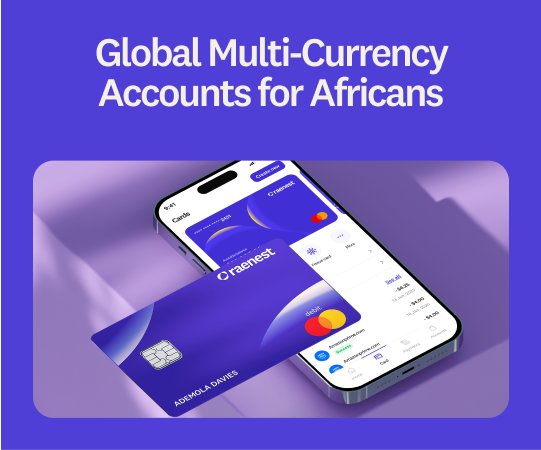
If you earn from clients outside India and want a setup that feels professional, predictable, and built for scale, the best option gives you direct access to multiple currency accounts, transparent fees, and a clear compliance structure. Raenest is designed for this exact use case. With Raenest, you can:
- Open multi-currency accounts in USD, GBP, and EUR.
- Receive cross-border payments, including salaries, freelance payments (from popular platforms like Upwork and Fiverr), transfers from clients and loved ones, and payouts from global platforms.
- Get your Upwork payments in under 60 minutes with Raenest FastTrack.
- Receive USDT and USDC, automatically converted to USD with the same value and no delays.
- Convert to INR any time at competitive rates and withdraw to your Indian bank account.
- Send money worldwide.
- Enjoy better rates, fast transfers, low fees, and two free monthly deposits.
How to receive international payments in India with Raenest
Getting started with Raenest is simple, and the process is designed to help you receive international payments quickly. Here’s how it works:
Step 1: Download the Raenest App
Start by downloading the Raenest app from the App Store or Google Play Store. This is where you’ll manage your international payments and accounts.
Step 2: Register and secure your account
- Select your country of residence
- Enter your email address and verify it.
- Create a secure password to protect your account.
- As part of legal requirements, confirm that your account information aligns with US Patriot Act regulations, then tap Continue.
Step 3: Choose what you want to do with Raenest
Raenest lets you set things up based on your immediate needs. You can choose to:
- Open bank accounts in USD, GBP or EUR.
- Receive stablecoins (USDC and USDT).
- Send money abroad.
Step 4: Verify your Identity (KYC)
To fully activate your account, you’ll need to complete identity verification. From your dashboard, tap Verify Now and provide the required details. This step ensures your account complies with regulations and is ready for international transactions.
Step 5: Start using your account
Once your verification is approved, you can start using Raenest right away. You’ll be able to:
- Access your multi-currency bank account details to receive payments from international clients.
- Receive international payments in USDT or USDC.
- Send money to over 70 countries, as well as your Indian bank account, when needed.
- Manage your global payments from one dashboard.
With your Raenest account ready, getting paid from abroad is easy and stress-free. Create a Raenest account today and start receiving your money smoothly.
Frequently asked questions
1. What are cross-border payments?
Cross-border payments in India are transactions where money moves between India and another country, such as payments from overseas clients, employers, marketplaces or customers.
2. What are the common fees for receiving international payments in India?
SWIFT Bank Transfers: High fees, often over ₹1,000 per transaction, plus exchange rates.
- PayPal: Up to 4.4% per transaction, excluding currency conversion charges.
- Payoneer: Charges around 1% for bank transfers to receiving accounts and up to 3.5% for credit card payments, plus about 2% in currency conversion fees when withdrawing to INR.
3. How much does it cost to receive international payments in India with Raenest?
ACH/domestic-style transfers: The first few deposits per month are free. After that, 0.8% per payment, capped at $10 / £10 / €10. SWIFT transfers: 0.8% per payment, capped at $10 / £10 / €10; free deposits do not apply.
4. What taxes apply when receiving international payments in India?
- Income Tax: Payments for services are generally taxable.
- GST: May apply for business-related payments above the registration threshold.
- TDS: Certain cross-border payments may require tax deduction at source.
. Are there regulatory requirements for receiving payments from abroad in India?
Yes. FEMA regulates international payments. Purpose codes are required for all business payments. Using compliant platforms like Raenest ensures smooth processing without manual reporting headaches.
.jpg)

