How to File Income Tax in Nigeria


Nigeria recently introduced updates to its tax laws as part of ongoing efforts to improve compliance, expand the tax base, and strengthen revenue collection across both federal and state levels. As a result, individuals earning income in the country are expected to take their tax obligations more seriously, particularly regarding timely filing.
One key requirement to keep in mind is the annual filing deadline. Individuals are expected to file their income tax returns on or before 31st March each year for the preceding year, while registered businesses must file by January 31st. Missing this deadline can lead to penalties, so it's important to understand what is required ahead of time.
That said, filing your personal income tax in Nigeria can still feel unclear. Between understanding where to file, what documents are needed, and how the process differs depending on how you earn, it’s easy to feel unsure about where to begin.
If you fall into that category, this guide is here to help. Whether you are a salary earner, or a freelancer you’ll find a clear breakdown of what to do, what you need, and how to complete your tax filing correctly and on time.
Key terms you should know
Before getting into the process itself, it helps to be familiar with a few key terms you’ll encounter. You don’t need to memorise anything here, just enough understanding to follow along without confusion.
Tax Identification Number (TIN)
This is your unique number in the tax system. It’s how tax authorities track your records, payments, and filings. If you’re going to file your income tax, this is the first thing you need to have in place.
To obtain a Tax Identification Number (TIN) in Nigeria, you can apply online for free via the Nigerian Revenue Service portal using your Bank Verification Number (BVN) or National Identification Number (NIN). The process is instant or takes 24–48 hours for email confirmation. If you’re employed, your employer may have already registered you and obtained a TIN on your behalf, so it’s worth confirming internally before starting the process yourself.
PAYE (Pay As You Earn)
If you’re employed, this is the system your employer uses to deduct tax directly from your salary before you’re paid. It doesn’t always mean you’re completely hands-off, but it does mean a large part of your tax is handled for you.
Personal Income Tax (PIT)
This is the tax applied to income earned by individuals, whether through employment, freelancing, or running a business. When you’re filing your tax, this is what you’re essentially reporting and paying.
Nigeria Revenue Service vs State Internal Revenue Service
This is where many people get confused. In simple terms, individuals typically deal with their State Internal Revenue Service, while Nigeria Revenue Service handles company taxes and certain federal-level obligations. Knowing where you fall makes the filing process much clearer.
What you need to file your Income Tax
To complete your tax filing in Nigeria, you’ll typically need a few key details and supporting records. The exact requirements can vary depending on your income type and how you file, but these are the most commonly used.
- Tax Identification Number (TIN): As mentioned prior, this is your official tax reference number and is required for filing. It links your income and tax records within the system.
- Valid Identification: A government-issued ID such as a National Identification Number (NIN), International Passport, or Driver’s License is used for identity verification.
- Income Records: You’ll need details of income earned within the tax year. Salary earners will need payslips or employment records. Freelancers will need to collate invoices, payment confirmations, or contracts. Business owners will provide sales records or financial summaries.
- Bank Statements (where required): These may be requested as supporting documentation, especially for self-employed individuals or during verification processes.
- Expense Records (for self-employed individuals): Freelancers and business owners may also keep expense records to support deductions and help calculate taxable income more accurately.
How to file your Income Tax Returns in Nigeria
Once you have your documents ready, the next step is understanding where and how to actually file your income tax. In Nigeria, this is handled at different levels depending on who you are and how you earn.
For individuals, income tax is generally administered by the State Internal Revenue Service (SIRS) in the state where you live. This means your tax obligations are tied to your state of residence, not necessarily where your employer or clients are based. For example, if you live in Lagos but work remotely for a company in Abuja, you are still expected to file with the Lagos State Internal Revenue Service.
Corporate income tax, on the other hand, is handled at the federal level by the Nigeria Revenue Service (NRS) formerly Federal Inland Revenue Service (FIRS). But for this guide, we are focused on individuals. Once you know where you fall, the actual filing process becomes much clearer.
Step 1: Confirm your state tax authority and filing method
The first step is identifying your state tax authority and how they handle filings. Each state in Nigeria operates its own system, and the process is not fully standardised. Some states, such as Lagos, Ogun, and Edo, now support fully digital tax filing systems. Others still operate a mix of online and physical submission.
What this means in practice is simple:
- You file in the state where you live
- You use that state’s tax portal or office system
If your state has an online portal, you’ll typically register or log in there to begin your filing. If not, you may be required to visit a tax office to complete the process manually.
Step 2: Consolidate your income
Before filling any forms, you need to calculate your total income for the year. Nigeria’s tax system is based on the principle of consolidated income, which simply means all income earned within the year is combined before tax is applied.
This includes:
- Salary from employment
- Freelance or contract payments
- Business income
- Side income or commissions
If you have more than one source of income, they are not treated separately for filing purposes. They are added together as your total annual income.
At this stage, it helps to go through your payslips, invoices, and bank records so you have a complete picture of what you earned during the year.
Step 3: Complete your tax return form
Once your income is clear, you can proceed to fill out your tax return using your state’s tax platform or designated form. While the exact layout varies by state, the information requested is generally similar. The process can differ slightly depending on where you are filing. For instance:
- Lagos State
Filing is largely handled through a digital system managed by the Lagos State Internal Revenue Service, where taxpayers can complete registration, submit returns, and make payments online. - Ogun State
Ogun provides an online tax platform, but some taxpayers may still complete parts of the process physically, especially during initial registration or verification. - Rivers State
Rivers operates a mix of digital and in-person processes, where filing may involve both online steps and visits to a tax office, depending on the situation. - Kano State
Filing may involve more in-person interaction with the State Internal Revenue Service, although digital processes are gradually being introduced. - FCT (Abuja)
In the Federal Capital Territory, filing is managed through the FCT Internal Revenue Service, with both online and physical options available to taxpayers.
Despite these differences, the information you are required to provide remains largely the same. You will typically be asked to input:
- Your personal details (name, TIN, address)
- Your total annual income
- Breakdown of income sources (salary, business, freelance, etc.)
- Any additional earnings such as commissions or allowances
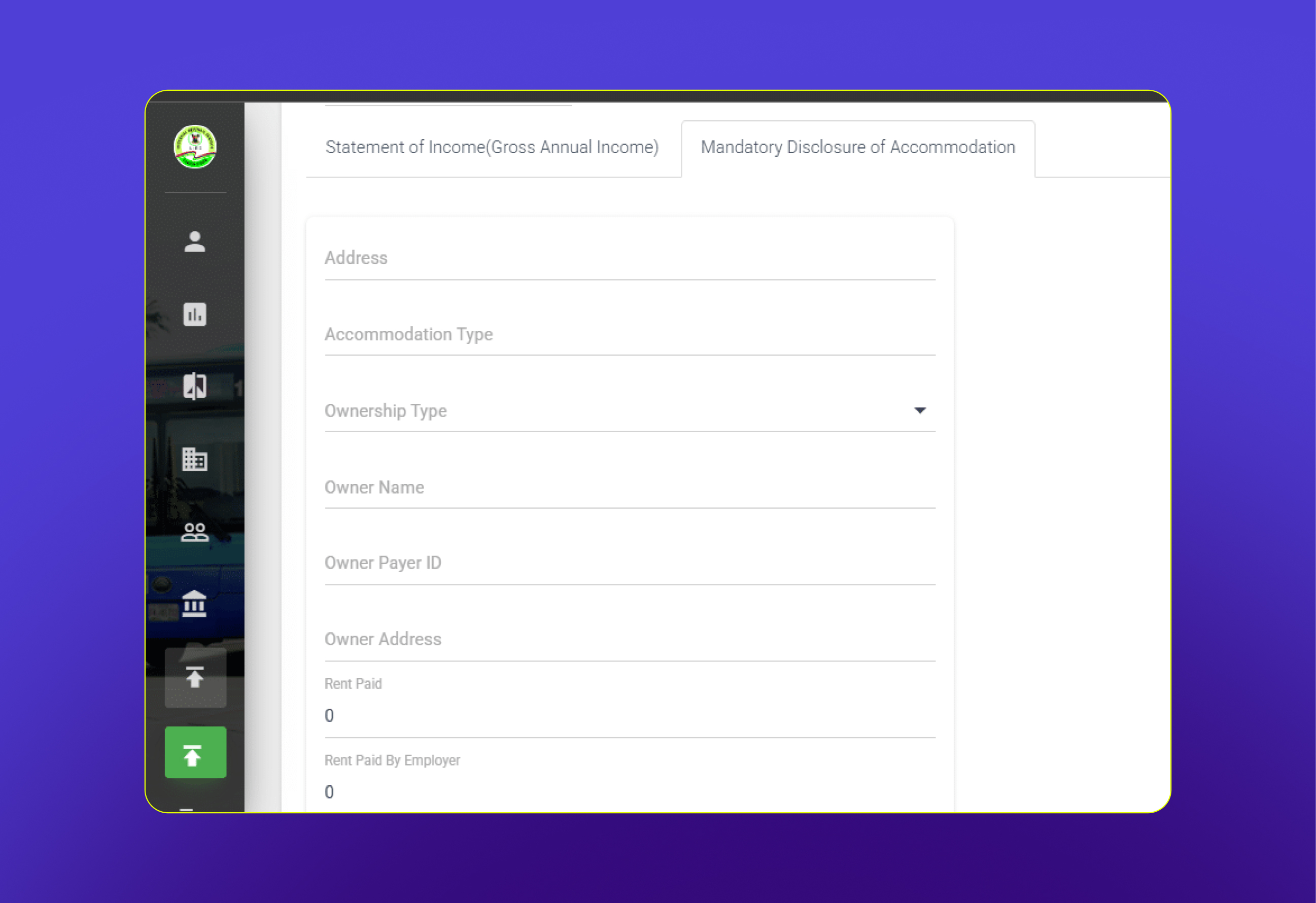
If your state portal supports uploads, you may also be able to attach supporting documents like payslips, invoices, or rent records where applicable.
For salaried workers, your employer often already remits PAYE on your behalf, but you may still be required to confirm your income and complete your annual return depending on your state’s rules.
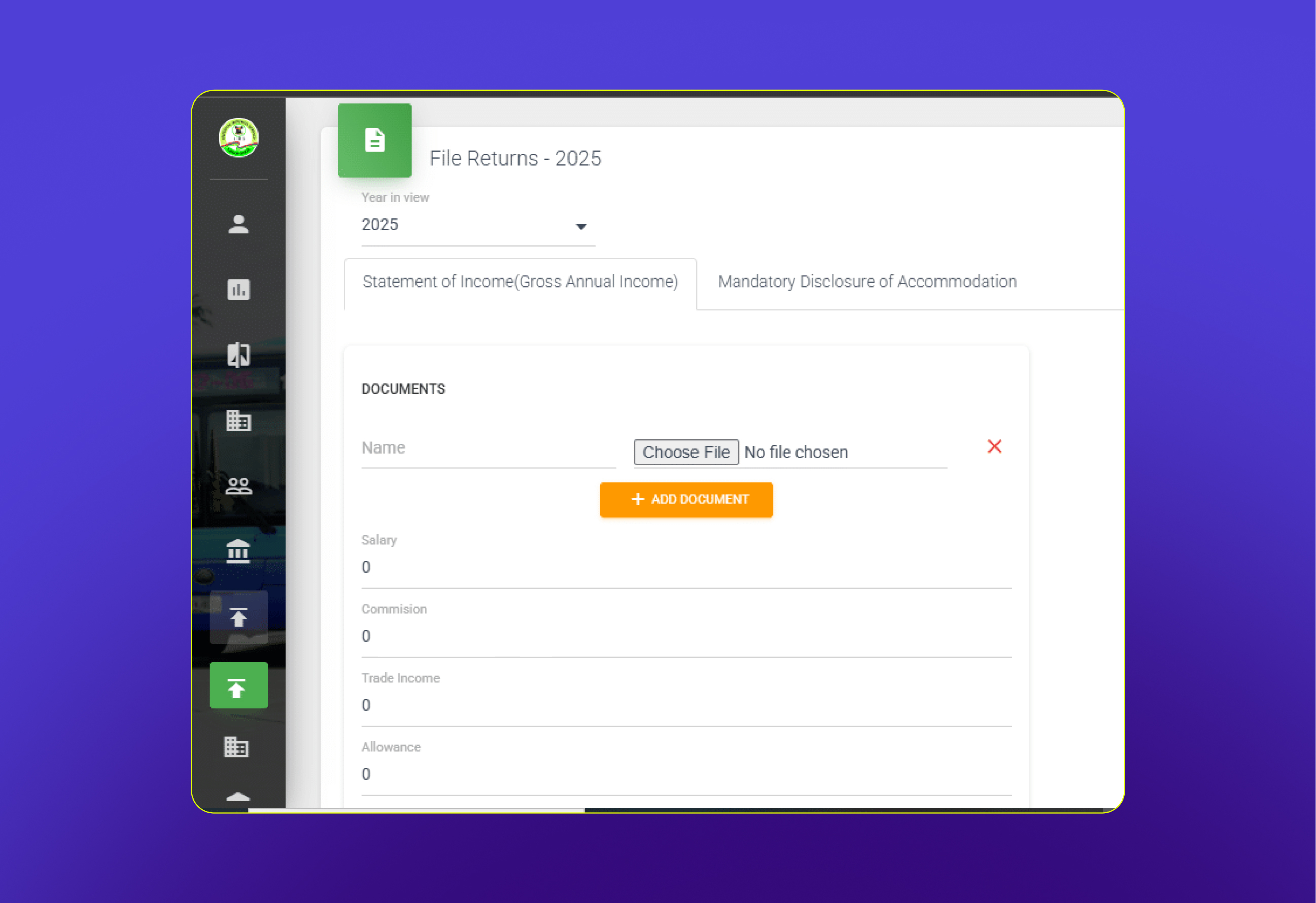
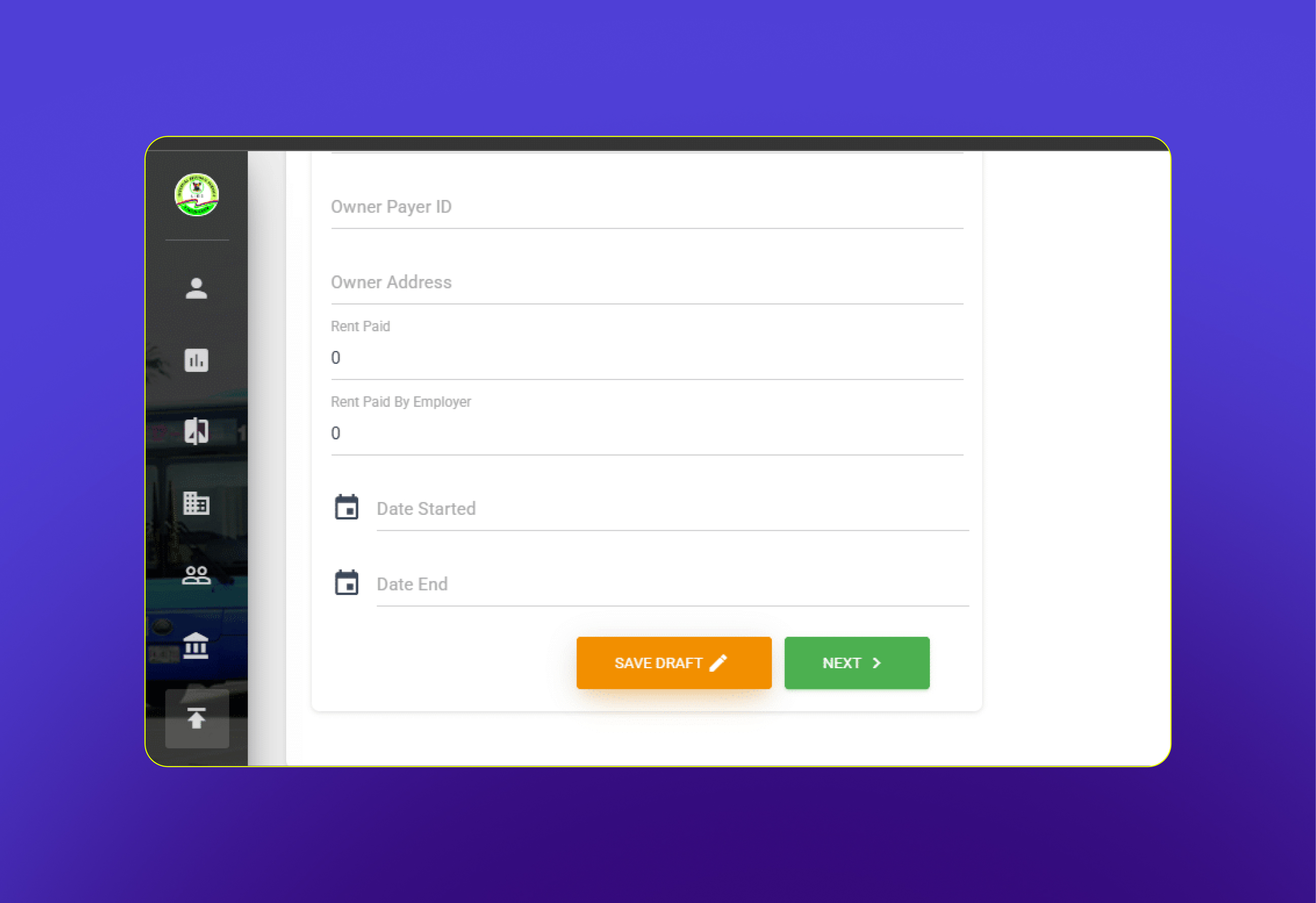
To make this more practical, here’s what the process looks like on the Lagos State Internal Revenue Service (LIRS) portal. On the LIRS e-Tax platform, the filing process generally follows this flow:
- Log in using your TIN and registered details
- In the menu on the left side of your dashboard, click the “Returns” drop down menu
- Select “My Tax Returns”
- Click “File Returns” to start a new submission
- Choose the year for which you are filing the return
- Input your gross salary. If you do not earn a salary, leave it as zero.
- salary (if employed)
- allowances or commissions (if applicable)
- freelance or business income
- Add any additional income sources. If you have earned an income from trading a commodity, been given an allowance by your employer, or earned a commission, input the aggregate of those figures individually.
- Upload supporting documents where required. You can also attach documents like your financial statement for the year, your rent receipt or tenancy agreement, if you want to access rent relief, and any other documents that can support the figures you are providing.
Additional Income Categories to Declare
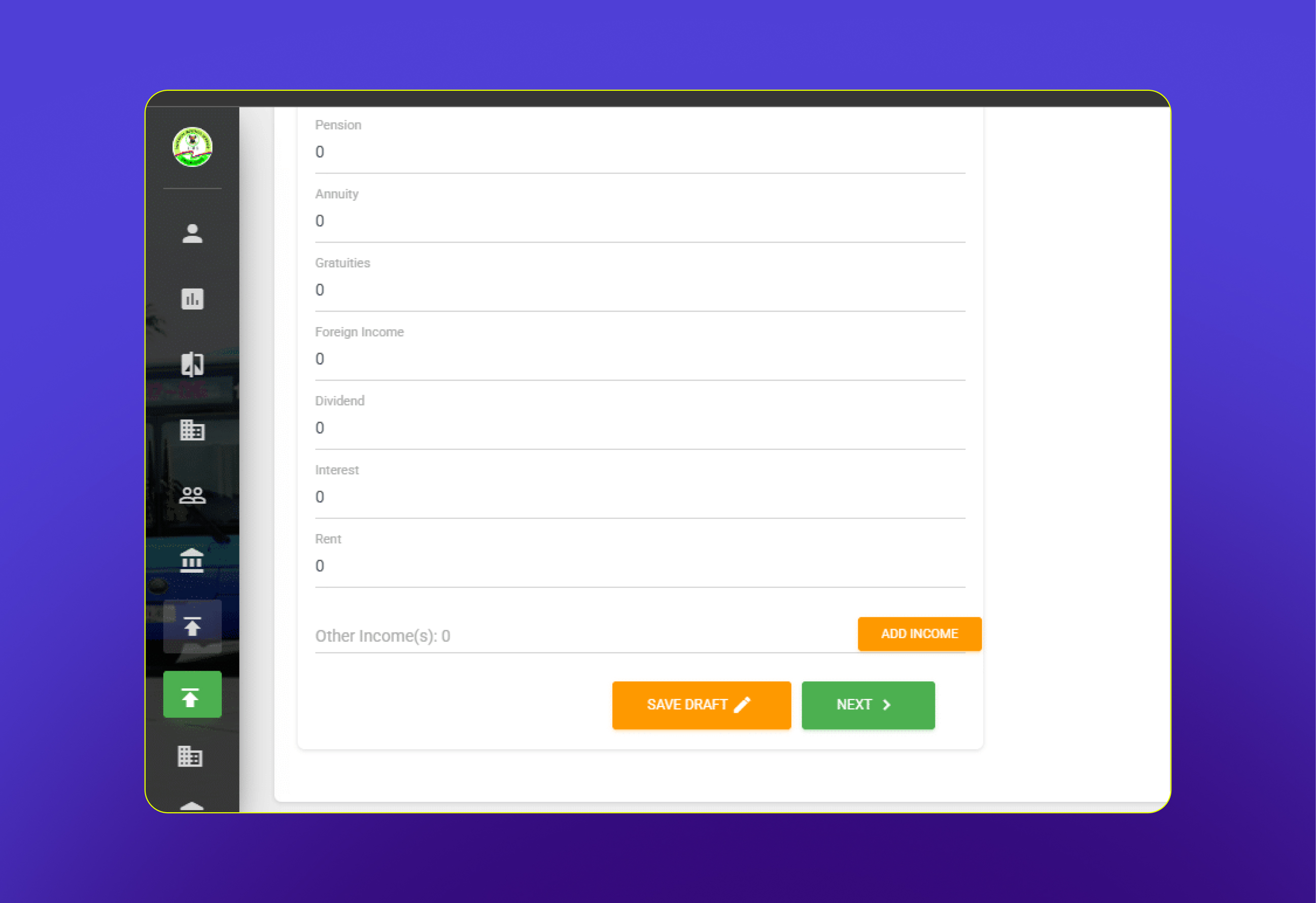
Depending on your income sources, the form may include additional fields where you are required to declare other types of earnings. These may include:
- Pension income: If you are retired or receiving pension payments, you will be asked to input the total amount received within the tax year.
- Annuities: Any regular payments received under an investment or insurance arrangement should be declared where applicable.
- Dividends and interest: If you earned income from investments such as shares or savings, this should be included in your total income declaration.
- Rental income: If you are a landlord, you will need to declare the total rent received within the year.
- Foreign income (if applicable): Income earned outside Nigeria, such as dividends, interest, rent, or royalties, may also need to be declared depending on your tax residency status and applicable tax rules.
- Other income sources: Most tax forms include an option to “add income,” allowing you to input any additional earnings not captured in the standard categories. This is where multiple or irregular income streams should be included.
Step 4: Review and submit your return
Before submitting, you’ll be required to review all the information you’ve entered. This is important because the tax authority uses this declaration to assess your tax liability. Once confirmed, you submit the form electronically or at a tax office, depending on your state’s system. After submission, you will either:
- Receive an assessment notice (telling you if you owe additional tax), or
- Have your filing marked as complete if everything has already been accounted for (for example, through PAYE deductions)
Step 5: Make payment (if required)
If your assessment shows outstanding tax, payment can usually be made through:
- Online payment platforms linked to your state tax authority
- Bank payment channels
- Designated tax offices
Once payment is completed, you receive confirmation and your filing is considered final for the year.
Final thoughts
Filing your income tax in Nigeria is ultimately about getting the basics right: knowing where you file, accurately declaring your income, and submitting the right information on time.
Once you understand the process, it becomes a straightforward part of managing your finances each year rather than something to put off or avoid.
The key is consistency. When you stay on top of your records and keep track of your income throughout the year, filing becomes much easier and more accurate when the time comes.
To make this even simpler, many people now rely on tools that help them consolidate their financial data in one place. Platforms like Raenest help you track and receive payments in multiple currencies, including USD, GBP, and EUR, while keeping your financial records organised in one system. Don’t have a Raenest account? Create one today.
FAQs
Do I need to file income tax if I’m already paying PAYE?
Yes. Even if your employer deducts PAYE, some states still require you to file an annual return to declare your total income and confirm your tax position. When filling the form, you’ll typically be asked to:
- Enter your total annual salary
- Indicate the tax already deducted by your employer (PAYE)
In many cases, if your PAYE deductions fully cover your tax liability, you may not have any additional tax to pay after filing. The system may simply recognise that your tax has already been settled through your employer. However, filing is still important because it serves as an official record of your income and tax status for the year, especially if you have:
- Additional sources of income
- Changes in employment during the year
- Or need proof of tax compliance for applications or financial processes
What happens if I don’t file my tax return?
Failure to file your tax return can lead to penalties, fines, or enforcement actions from your State Internal Revenue Service. It may also affect applications that require proof of tax compliance.
When is the deadline for filing income tax in Nigeria?
The deadline for individuals to file their annual income tax return is typically March 31st each year.
Do freelancers and remote workers need to pay tax in Nigeria?
Yes. If you earn income as a freelancer or remote worker, you are required to declare and file your income tax in the state where you reside.
Do I need an accountant to file my taxes?
Not necessarily. Many state tax portals are designed to allow individuals file their taxes themselves. However, if your income is complex or comes from multiple sources, professional guidance may be helpful.
Do I need to file tax if I didn’t earn much income?
In many cases, yes. Even if your income is low or irregular, you may still be expected to file a return. Your final tax liability will depend on your total earnings for the year.
Can I correct a mistake after submitting my tax return?
This depends on your state’s tax system. Some portals allow you to update or amend your return, while others may require you to contact the State Internal Revenue Service directly.