Raenest Exchange 2026 Recap


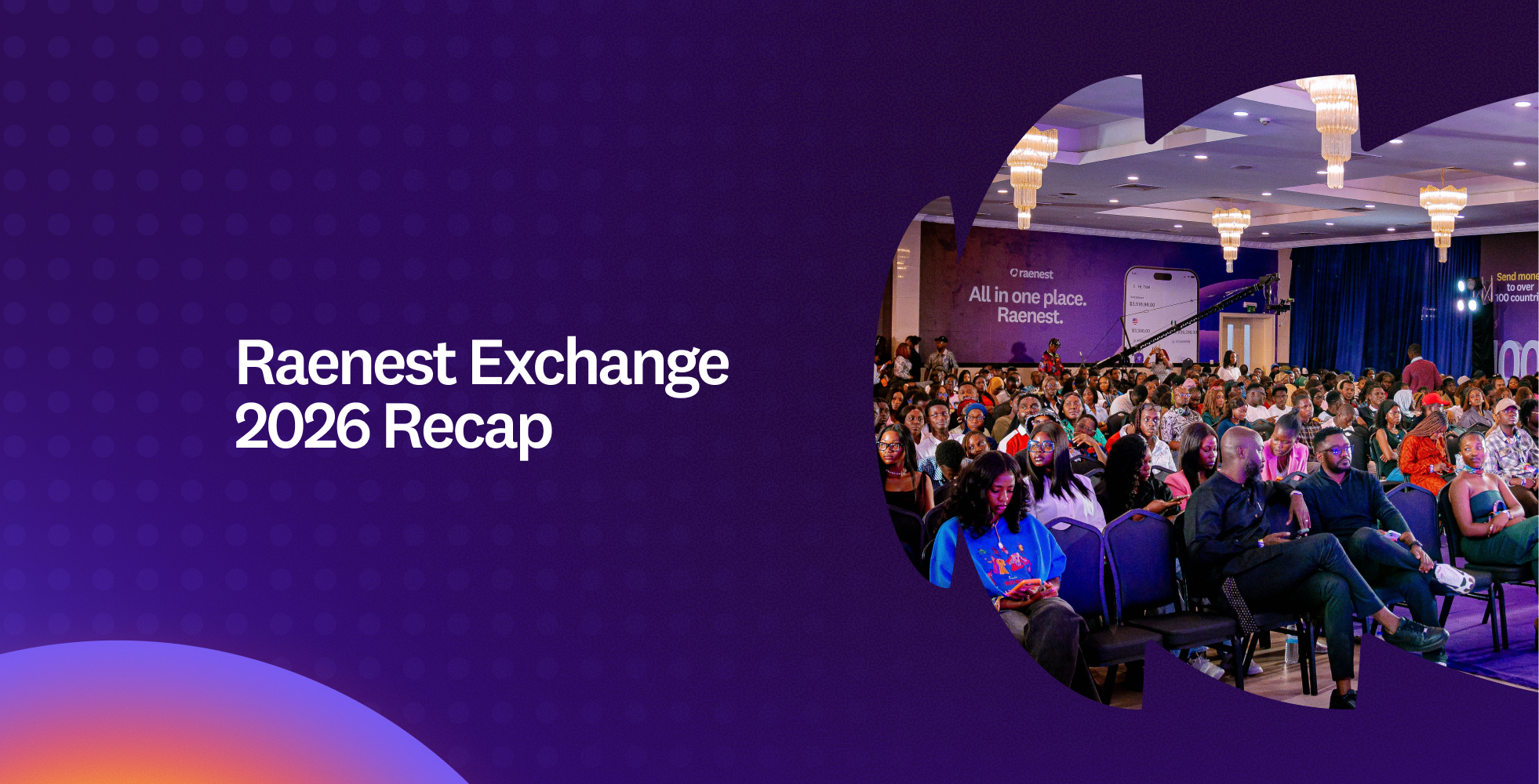
On Wednesday, 21 October, Raenest Exchange 2026 took over The Civic Centre in Victoria Island, Lagos, for what became this year's best tech and finance event.
Our second edition brought founders, creators, freelancers, investors and builders into one building for a full day of conversations on remote work, the creator economy, stablecoins, AI and building companies that last. Every panel brought a fresh perspective on what's changing in Africa's tech ecosystem, and how much of what's possible is already within our reach. I lost count of my eureka moments. Now that I've had a moment to sit down, here's everything that happened, and the lessons I think you should take with you.
You could also watch the whole thing on Youtube:
We made some major announcements
- More ways to get paid
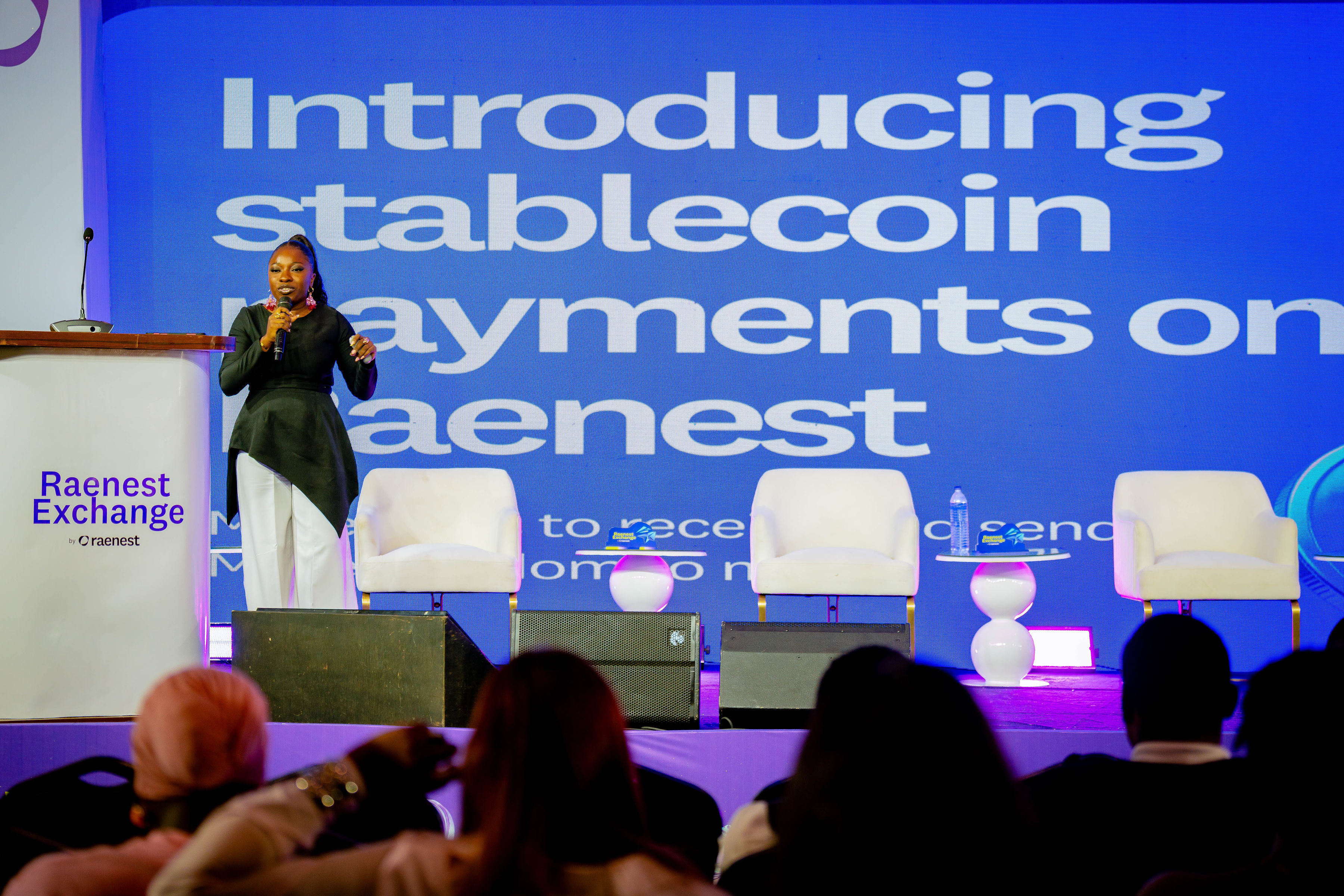
You can now send and receive USDC and USDT on Raenest, and convert them to supported currencies like NGN, GBP and EUR.
Raenest Invoices and Payment Links are also better. One link now gives your clients more ways to pay you: bank transfer, card or stablecoin.
And if your clients pay in crypto, you can receive Bitcoin, Solana, Ethereum and more. We automatically convert it to USDC to help reduce volatility, so you keep what you earned.
- Raenest Vaults
Once you receive your money, you can put it to work. Move your USD, NGN, USDC or USDT into a vault and earn while you hold: up to 16% APY on NGN, and up to 7% on USD, USDC and USDT.
- More control with Raenest Cards
Your money, your choice. You can now run up to four virtual cards at the same time and give each one a purpose, whether that's subscriptions, ads, travel, or team spend.
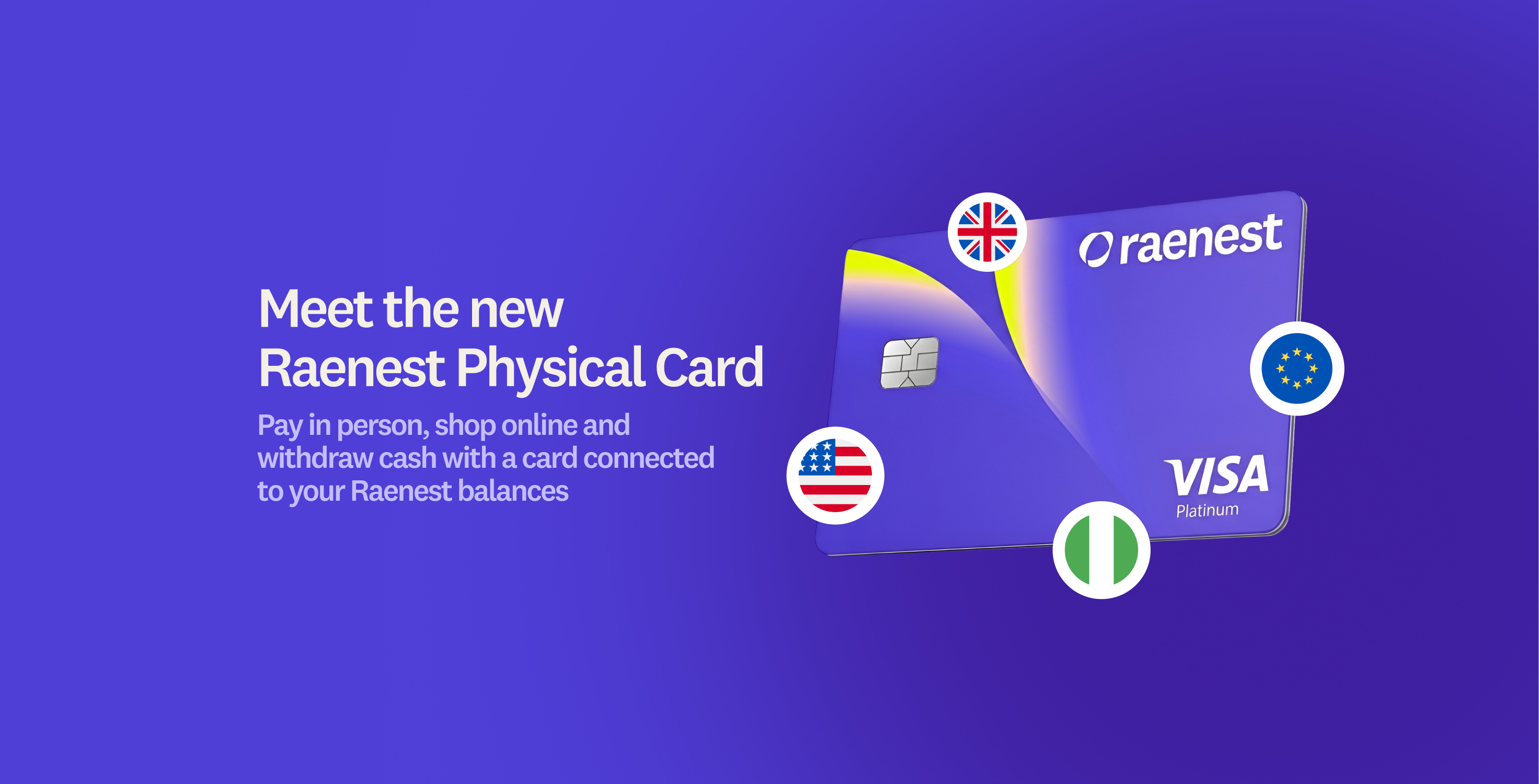
Then we introduced the Raenest Physical Card. Wherever life takes you, take Raenest. Choose the Prepaid Card, which you can fund, or the Standard Card, which connects to your Raenest balances. Either way, you decide what happens next.
Lessons from the stage
Across the Main Hall, Waterfront and Panoramic Hall, more than 30 speakers and moderators shared what's working for them right now. These are the lessons I'm still thinking about.
- You can start from wherever you are
Before he became one of Africa's best-known creators, Tayo Aina was driving for Uber in Lagos. In The Making of Tayo Aina, he walked Cynthia Orji from our team through the setbacks and creative bets that took him from there to a globally recognised brand. When he started in 2015, he wasn't trying to become a filmmaker. He was looking for solutions and stories worth telling, and he cared about the message long before he had the equipment to match. Many of us need that reminder. Waiting for the perfect camera, setup or moment only delays the work that teaches you the most.
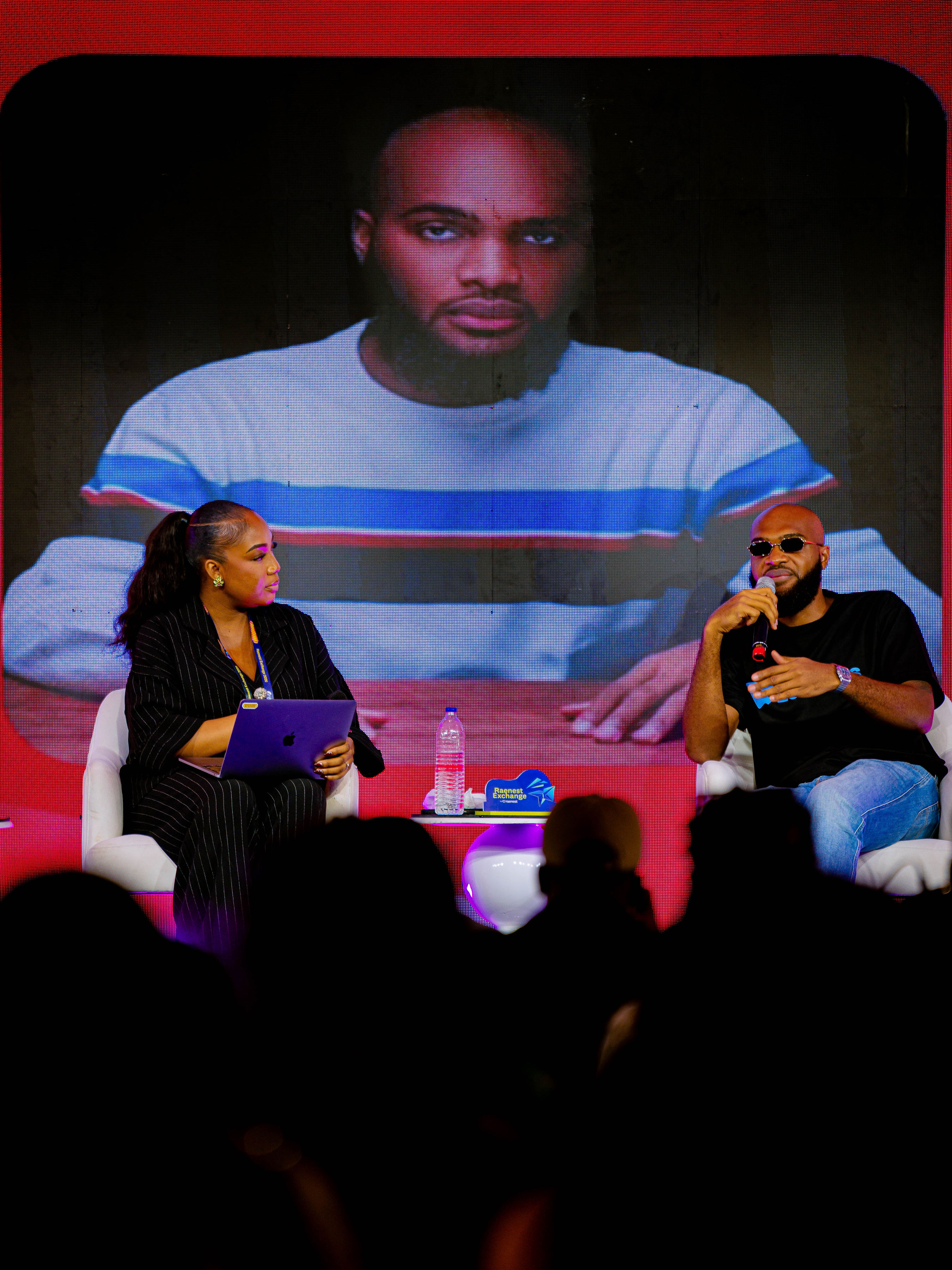
Tayo also made the point that your location doesn't decide the size of your audience. Relatable, easy-to-search content can travel anywhere. He shared the example of a friend in Nigeria who built a channel with 90% of his viewers in the US, simply by focusing on broad topics people everywhere care about. Where you start doesn't decide where you end up.
- Build income you own
Sponsorship budgets are getting harder to predict, and in Beyond Brand Deals: The New Creator Revenue Playbook, Bayomi, Izzi Boye and Moechivious, moderated by Ronnie, shared how creators can build income that doesn't hinge on the next campaign. Their starting point was trust. A creator's commercial value comes from an audience that trusts them enough to spend their own money on their word. Once you have that, brands notice and pay to reach those people. So protect it. Izzi Boye only takes partnerships he can genuinely defend, and he avoids exclusivity deals that would stop him from giving his followers honest opinions.
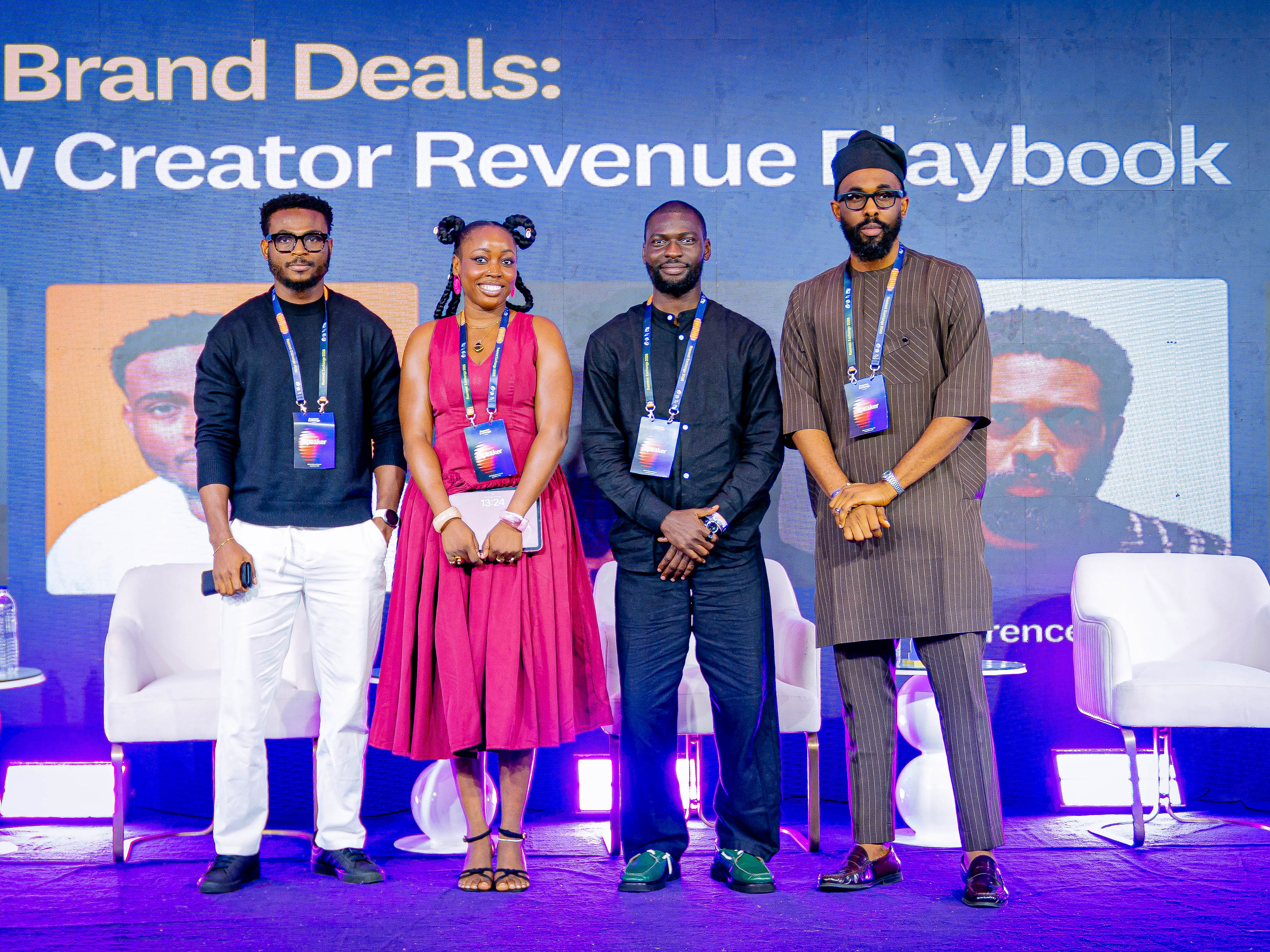
Izzi also shared how he negotiates. Instead of pricing TikTok, Instagram and his other platforms separately, he combines his reach and presents his total influence as one brand. And when it comes to getting noticed, creativity wins. He pointed to one of his most popular projects: an eye-catching photo on the Third Mainland Bridge, paired with a story about his savings. The creators who last keep evolving while staying the most authentic version of themselves.
Bayomi's advice was to stay memorable. Your audience followed you for a reason, so keep making the content that won them over, even as you add products and new offers. Moechivious spoke about boundaries: decide early what you'll give away for free and what's worth paying for, then package that value into a product, service or membership people can buy. Bayomi closed the loop with a point every creator needs to hear: stop comparing your rates. Another creator's prices reflect their own audience, niche and results. Price based on the value you deliver to your own people, and let your work justify it.
- Stay true to your point of view
Feyikemi "FK" Abudu sat down with Chiamaka Eneje for Culture, Conversations and Community: How to Build Something People Care About, and her advice was refreshingly honest. She said the foundation of her success was simple: she chose topics and projects she found genuinely interesting, instead of chasing trends or trying to game the algorithm. When you try too hard to please platforms or audiences, you risk losing the very voice that made people connect with you in the first place. Your point of view is what builds a community.
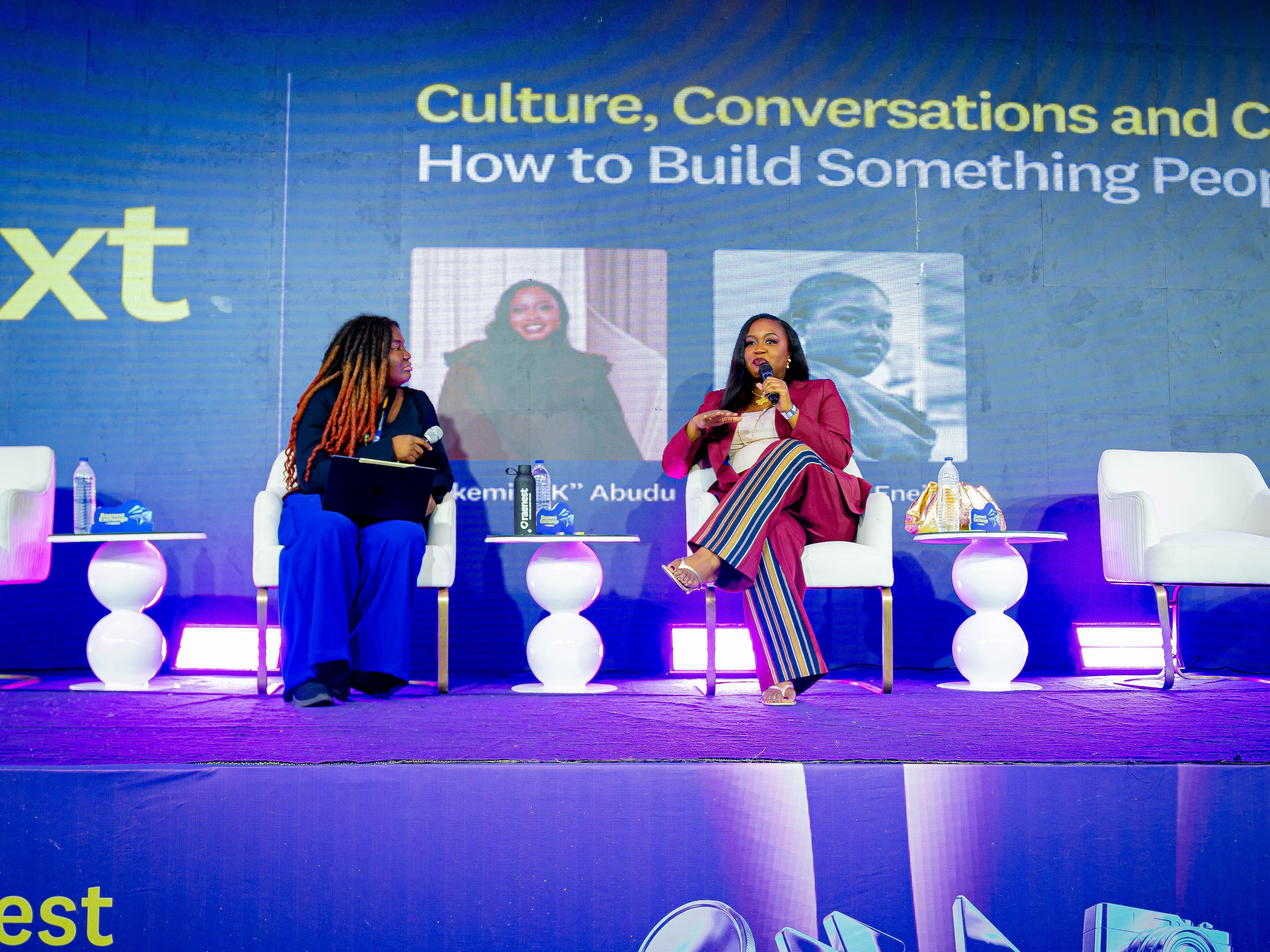
She was just as honest about limits. If you're creating alongside a 9-to-5, your output won't match a full-time creator's, and that's okay. Being open about it is far easier to sustain than forcing a pace that doesn't fit your life. And when you really want to reach someone, keep showing up. Getting in front of the right person often takes persistence and steady networking, so don't stop after the first try.
- AI multiplies the skills you already have
In The AI Advantage: How to Think, Work, and Compete in an AI-Powered World, Tech Baby (Ronald Eguh), Ochai Emmanuel and Kayode, our Head of Engineering, showed how to fold AI into the work you already do. The idea is to use it as a multiplier on the skills you've built, whether that's writing, design, research or code, so you get more done in less time. They were just as clear about where human judgement still matters most. AI can speed up the work, but deciding what's right, what's accurate and what's worth doing is still your job.
- Stablecoins are already part of how money moves
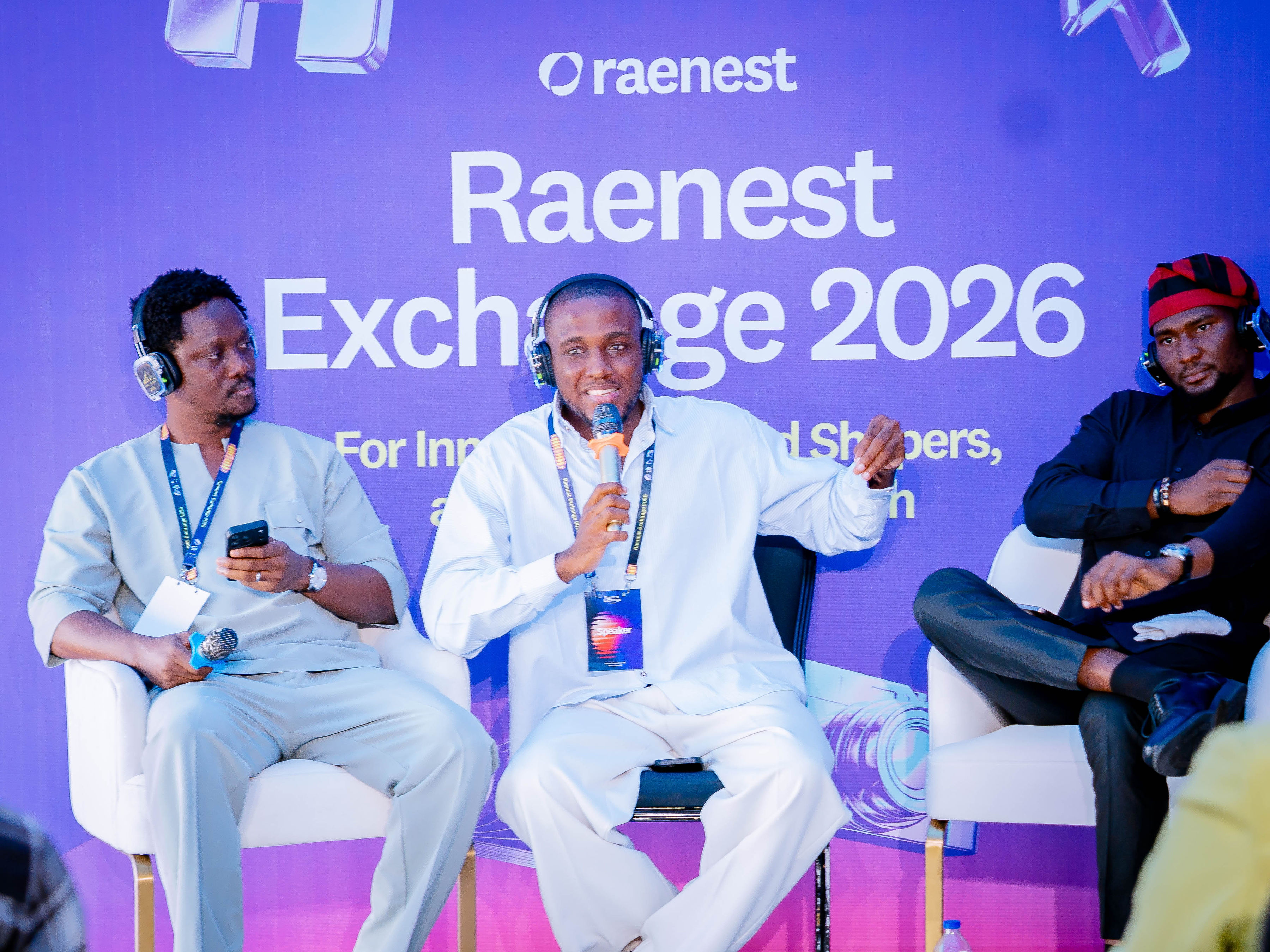
In The Digital Dollar Economy: How Stablecoins Are Rewiring Money, Harri Obi, Tola Joseph and Teddi Speaks joined moderator Sarah Idahosa to show how stablecoins are already changing the way money moves. Harri shared how hard it was in his early days to receive payments from global brands, and how stablecoins remove many of the banking barriers that stood in his way. The panel also pointed to speed. A bank transfer to a supplier in China can take three to four days, long enough for an invoice to be cancelled or a shipment to be delayed. A stablecoin transfer settles almost instantly.
Teddi encouraged founders to treat stablecoins as a treasury tool that protects their money from currency devaluation, and to earn yield on idle funds through reputable platforms instead of leaving them untouched. And if the whole idea still feels technical, Sarah put it simply: for the average freelancer, a stablecoin is just a digital dollar. You can benefit from it without needing to understand the blockchain underneath.
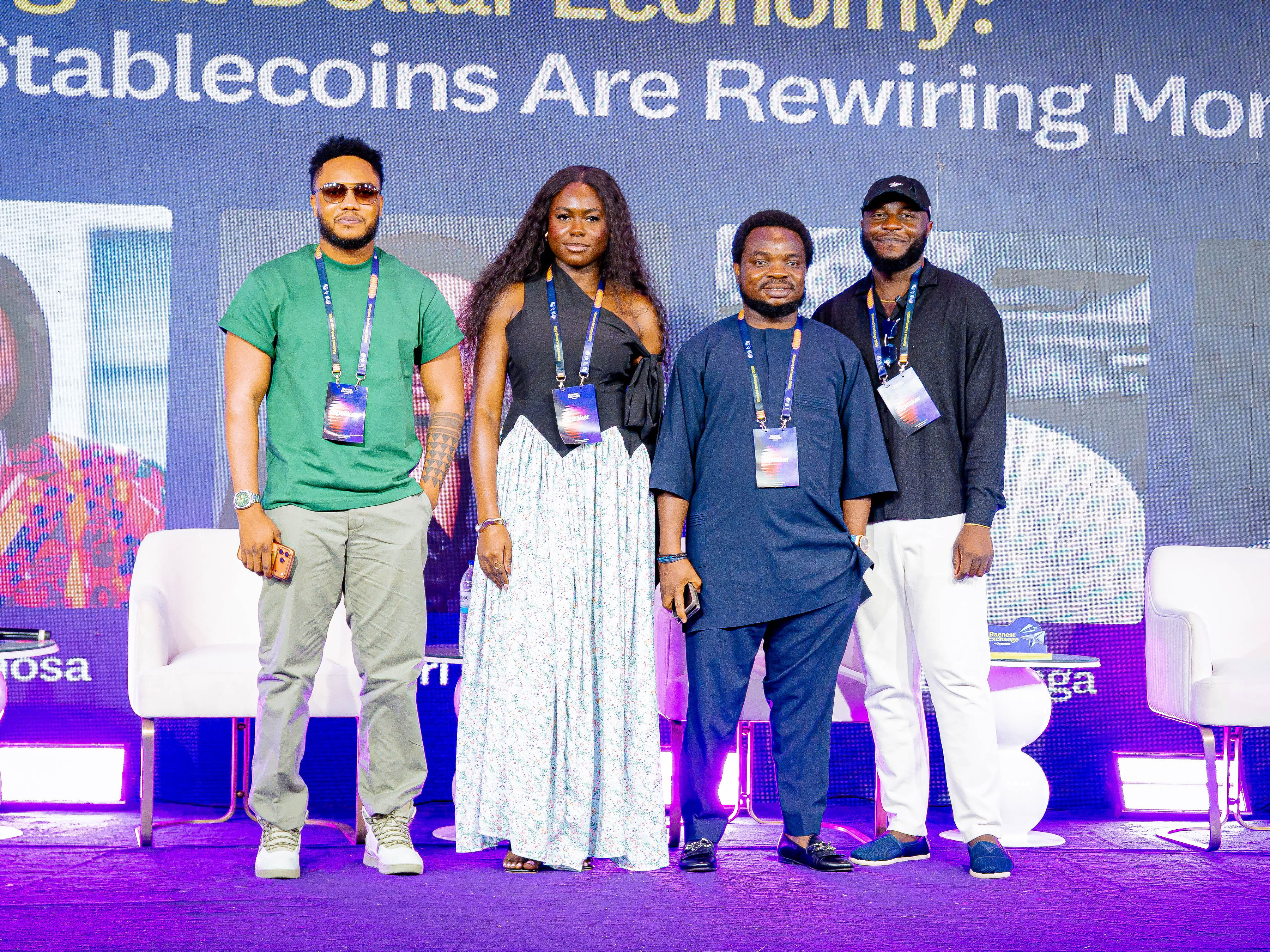
Interoperability and Trust: Building Seamless Stablecoin Infrastructure brought together Carbz, Seun Lanlege and Deborah Afen, moderated by Chisom Felix, to look at how these networks work together across different standards, speeds and costs. They concluded that people choose the rails they trust, and that trust comes from strong compliance, solid security, and an experience simple enough for anyone to use.
- Growth at all costs is over
In Built to Last: What Makes Companies Worth Backing Today, Alisha Golden, Ireayo Oladunjoye and Lavanya Anand, moderated by Damilola Teidi, made it clear that investors have moved on from rewarding high burn rates. Today, they want efficient scaling and a business model that can last. That starts with knowing the numbers they check. The panel pointed to strong revenue growth, ideally at least 2x year-on-year, healthy gross margins, and a customer lifetime value of at least three times what it costs to acquire that customer. If you lose money on every new customer, growth only makes the problem bigger.
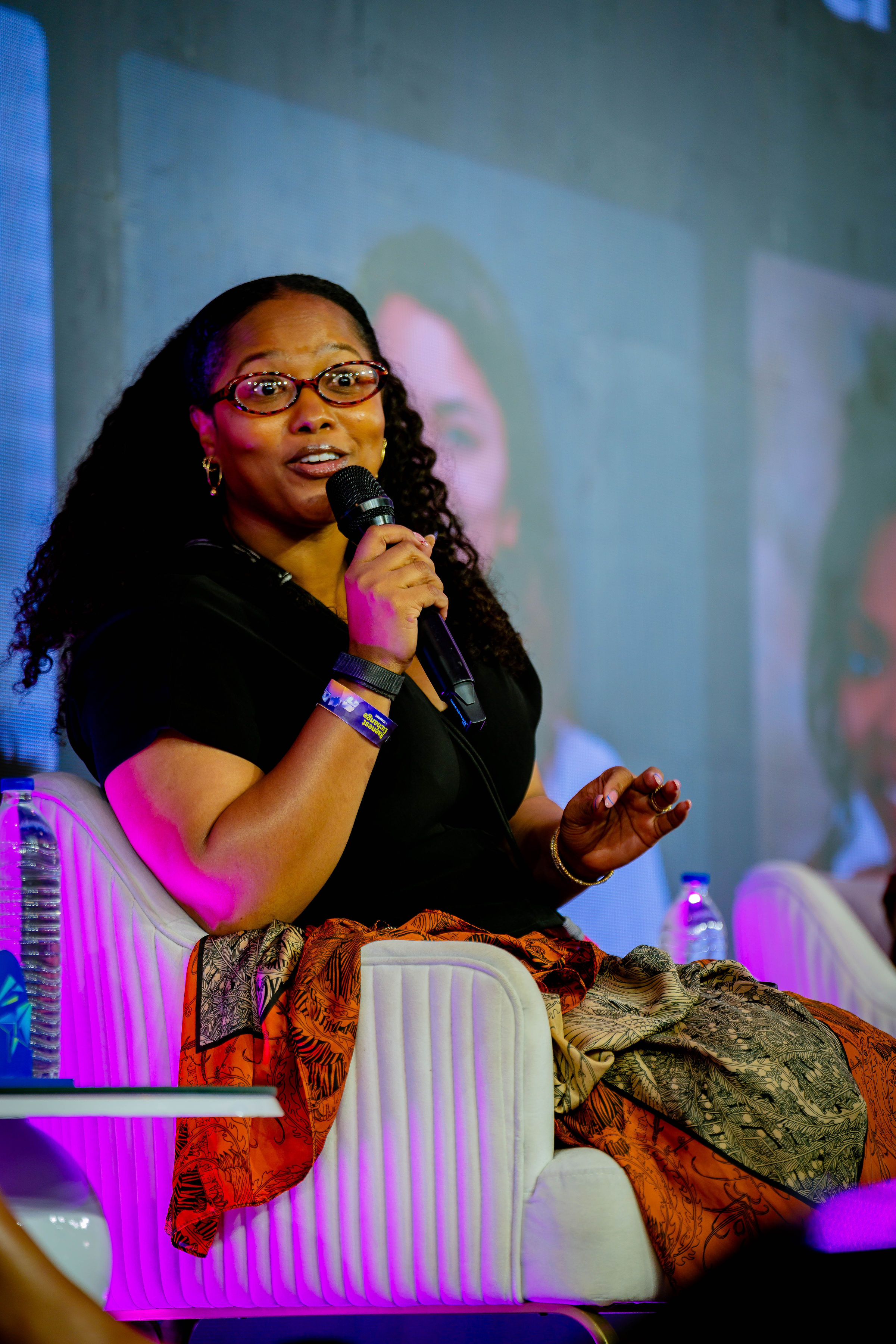
Lavanya said she looks for inflexion points, the moments a company proves it can grow and win market share. Whether you expand globally or stay focused on Lagos or Abuja depends on whether that market is big enough for your goals. Ireayo urged founders to focus on operational efficiency and show exactly how every naira raised turns into growth.
Alisha added something founders rarely hear. Investors also pay close attention to founder psychology: how you handle adversity, change and personal growth. Her team assesses this in interviews and meetings, often indirectly, because how you handle pressure says a lot about whether you'll last. Your mindset is part of your pitch.
- Design is a growth decision
In Design as a Growth Engine, Victor Fatanmi and Opeyemi Olugbemiro, moderated by Chibuzor Nnamene from our team, shared real examples of a business problem, the design choice made to solve it and the result that followed. Good design keeps a brand relevant as markets and tastes change, and when it's tied to a clear business goal, it moves the numbers too. For founders and marketers, that means bringing design into the conversation early, right alongside strategy.
- Get compliance right before you go global
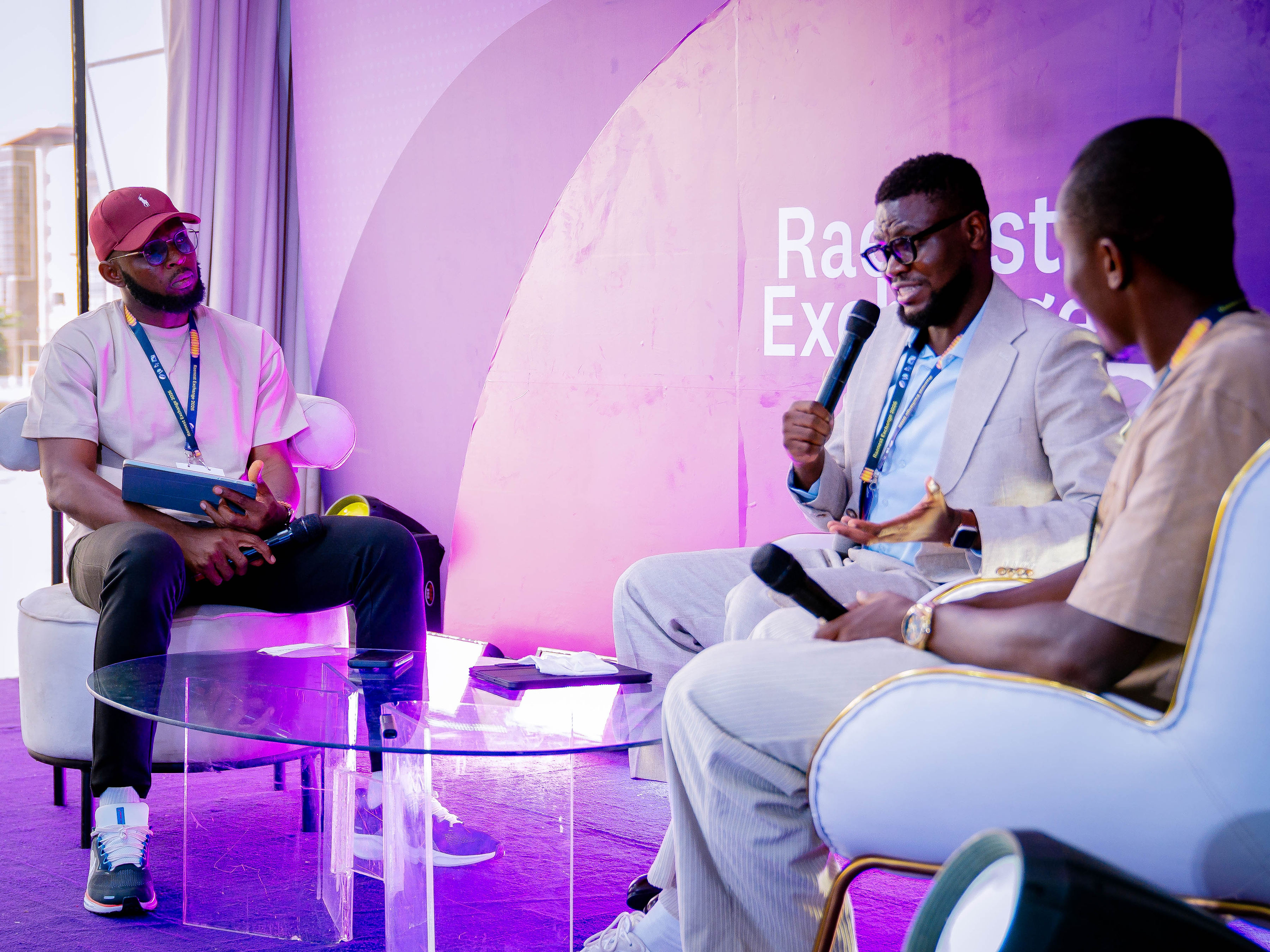
Ewomazino "Zino" Oyibotha of Norebase led Can Your Business Go Global? What You Need to Know About Compliance, moderated by Adeyemi Olaogun. Compliance can feel like paperwork you'll sort out later, but it shapes who trusts you, who partners with you and which markets you can enter. Banks, payment partners and big clients want to know you're operating properly before they commit. Getting it right early saves you from scrambling when the chance to expand finally comes
- Your rate follows your positioning
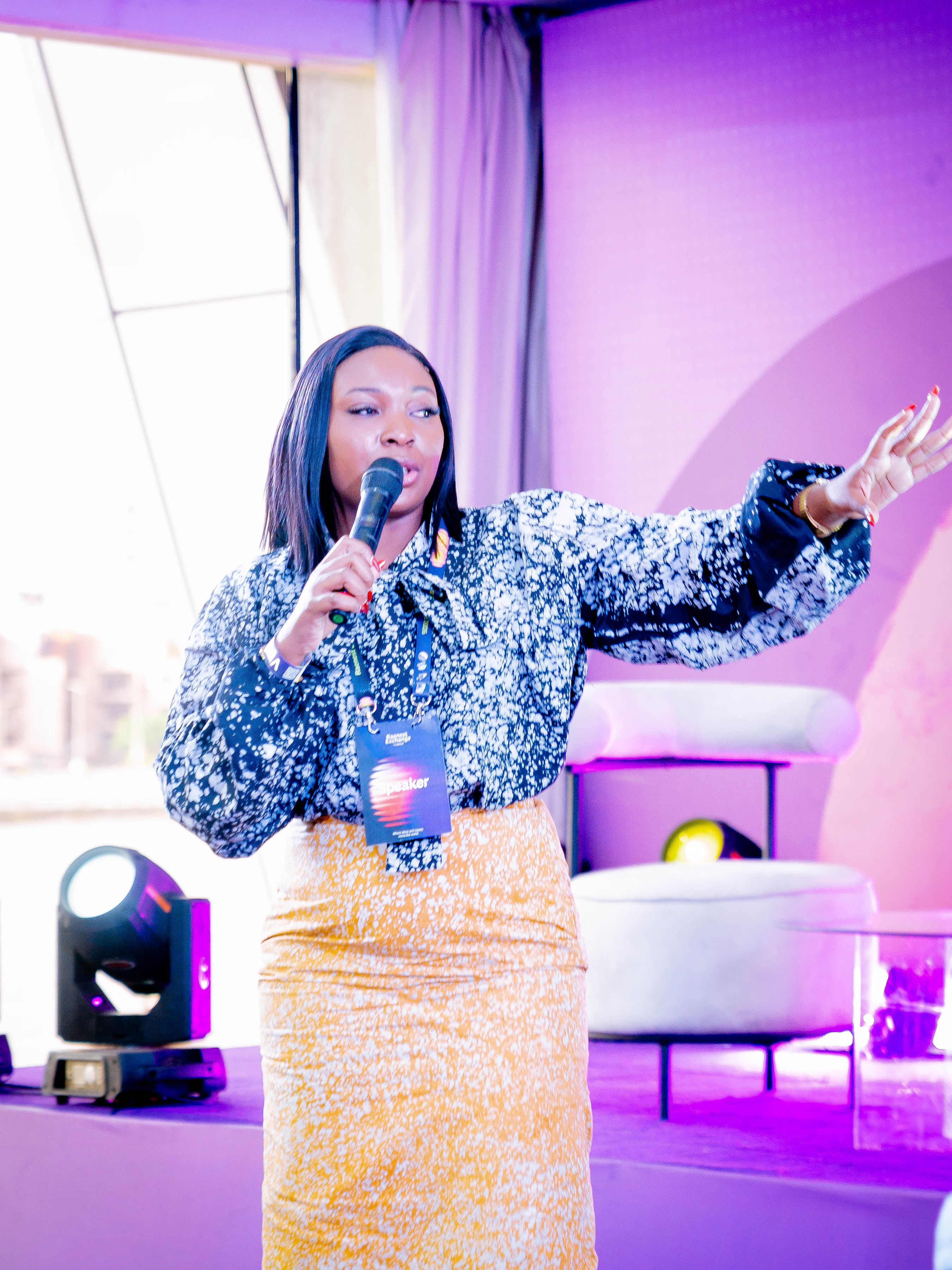
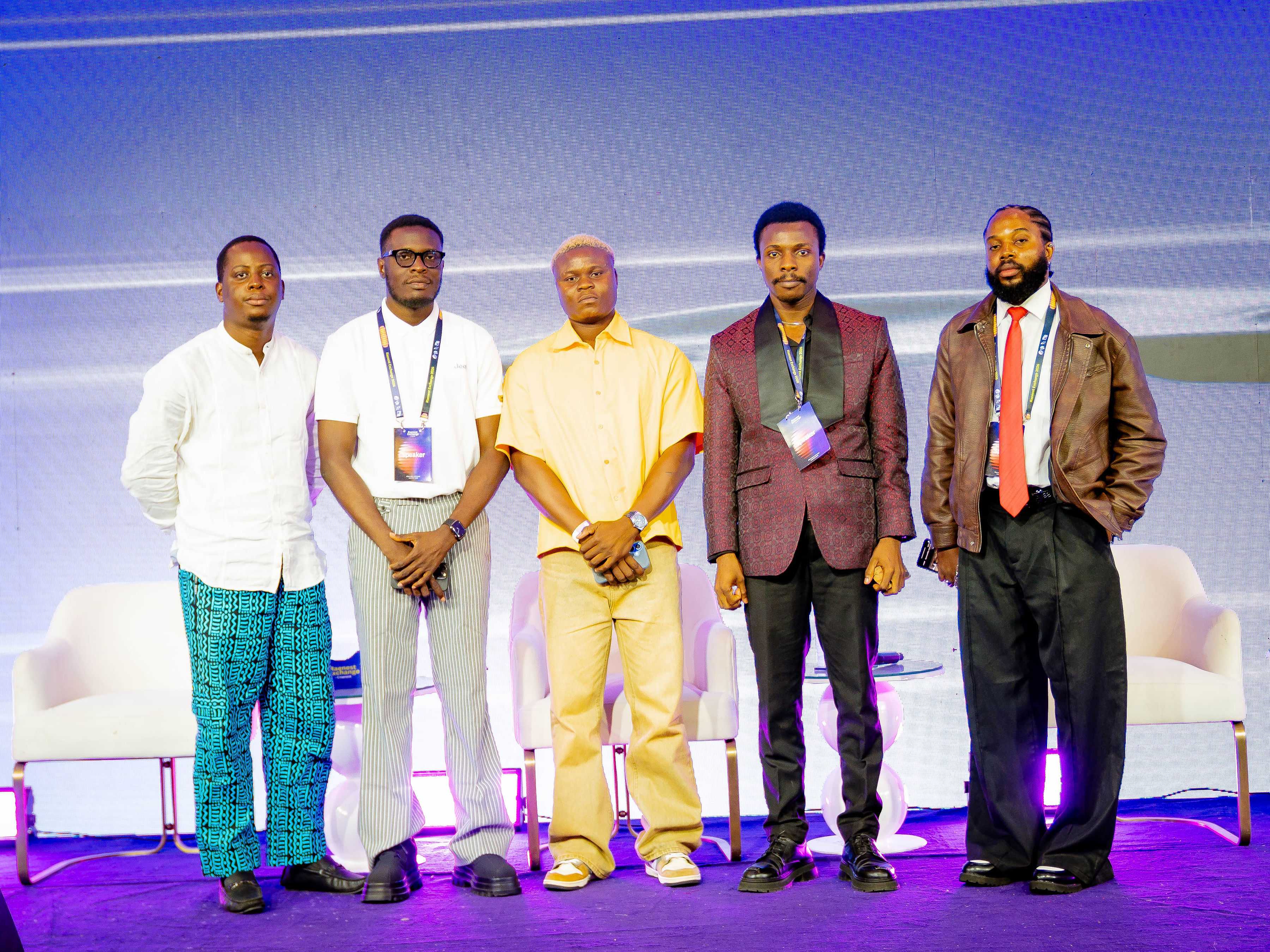
In From $10/hr to $100/hr: What Top Earners Do Differently, Final Touch (Okoye Chukwuemeka Emmanuel), Victor Ajide, Professor X (Pepple Miracle) and Technical Ben, with Jesi Williams from our team moderating, broke down what separates freelancers who charge more. Top earners specialise. They become known for one clear thing, which makes them easier to find, easier to trust and easier to pay well. They also make their results visible, so clients can see what working with them looks like before Visibility opens doors.
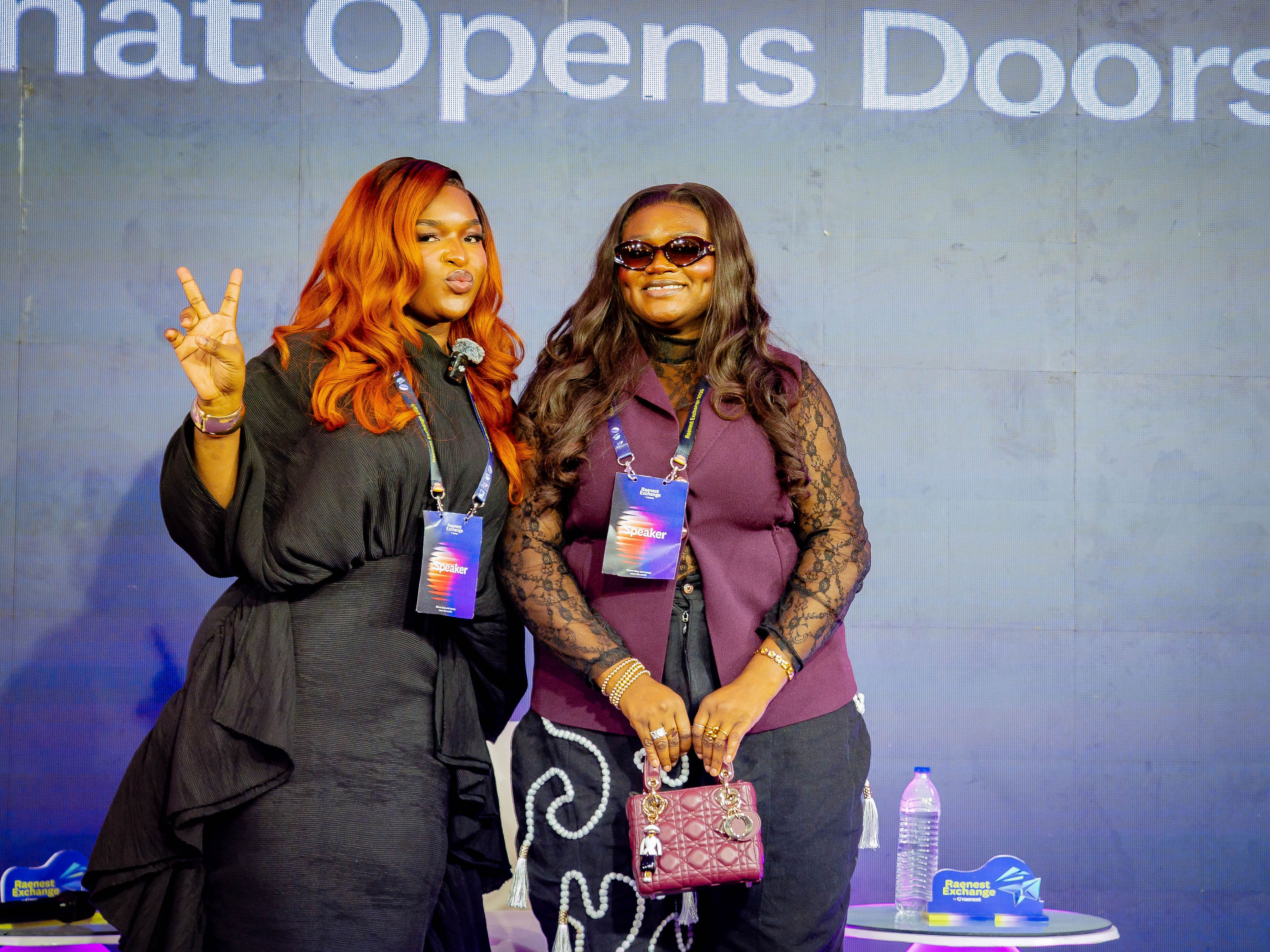
Adeife Adeoye and Ekwutosi Cynthia Okeh (Digital Witch) closed the programme with Visibility Is Currency: Building a Personal Brand That Opens Doors. The best work in the world can't open doors if nobody knows it exists. Building a personal brand starts with being clear about what you do and who you do it for, then sharing what you know often enough that people start to connect you with it. Over time, that consistency becomes credibility, and credibility brings opportunities to you.
Career Clinic with RemoteWorkHer
Over lunch in Waterfront, we teamed up with RemoteWorkHer for a two-part Career Clinic. Attendees got real, practical tips on building a career that works from anywhere.
The first Raenest Community Impact Awards
This year, we introduced the Raenest Community Impact Awards to celebrate the builders, creators, freelancers, educators and community leaders whose work keeps creating value for others. You sent in your nominations, and on the night, we named our first winners.
We also gave a Special Raenest Community Recognition, chosen by our team, to Dauda Sulaiman (Omo Alhaja), Final Touch (Okoye Chukwuemeka Emmanuel), Ochai Emmanuel, Esosa Smith, and Victor Ajide for consistently supporting, educating, and inspiring our community.
Congratulations to every winner, and thank you to everyone who took the time to nominate someone.
Between sessions, and after
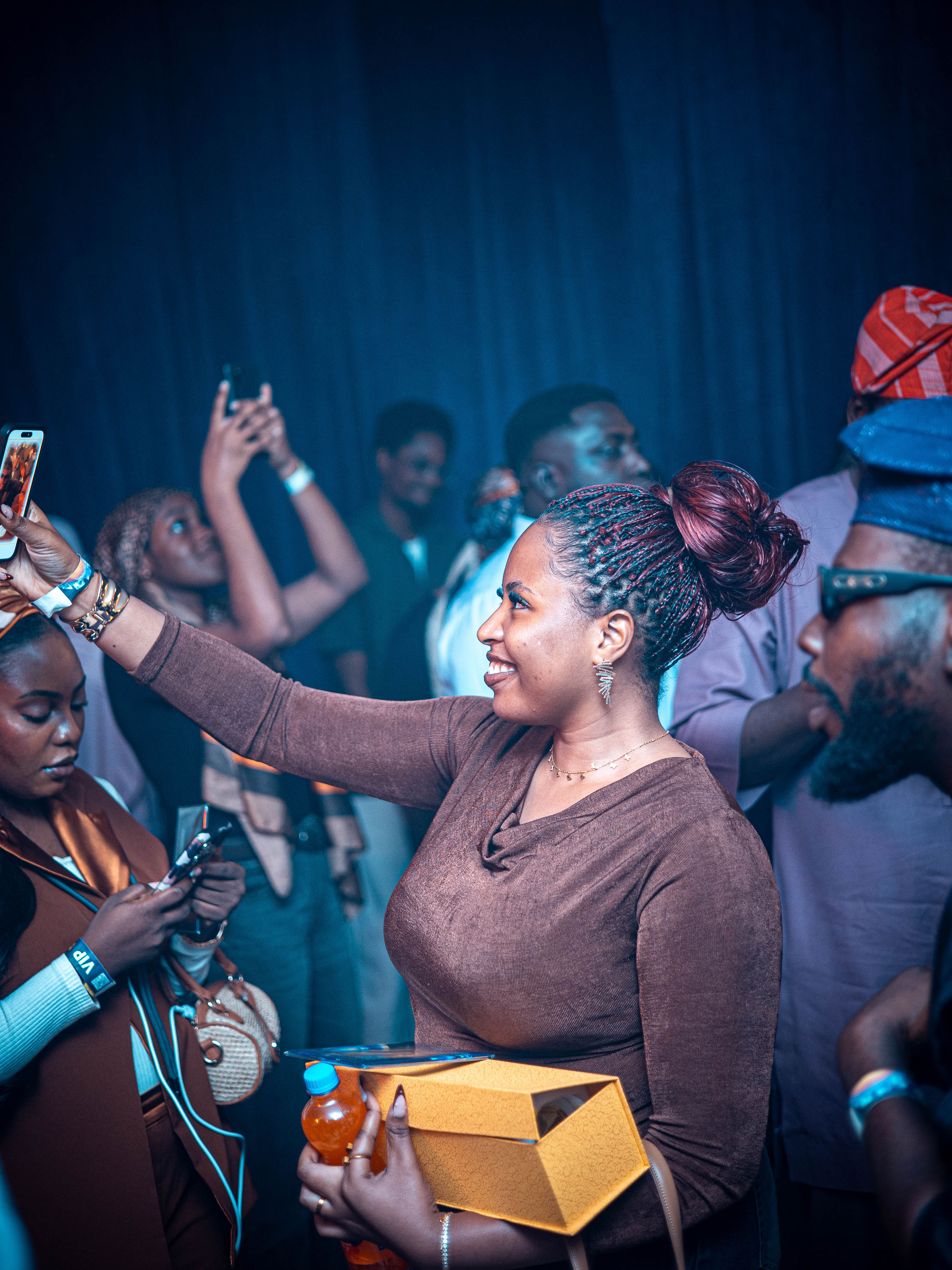
The day wasn't only talks. You spun the wheel for prizes, ate as much as you could, and made memories with us at the photo booths.
Then we moved to Panoramic Hall for the after-party, and it was the best one anyone has ever seen. Music, dancing, and a room full of people who didn't want to go home.
Until next time
To everyone who showed up, spoke, moderated, partnered with us and danced till the end: thank you. Raenest Exchange is what it is because of you.
If you captured moments from the day, post them and tag us so we can relive it with you. And if you missed a session, the full event is on our YouTube channel.
See you at Raenest Exchange 2027. 💜