
How to Receive Payments From the US in the Philippines

The Philippines is now one of the world's largest recipients of international payments, driven by a growing workforce earning income from clients and employers overseas and families sending money back home. In 2025, remittances into the country hit an all-time high of $35.63 billion, a sign of just how much money now moves in from abroad.
Still, if you're one of the many Filipinos receiving that money, you'll know it doesn't always arrive as smoothly as it should, especially when it's coming in USD from the US. So this guide lays out your options for receiving US payments in the Philippines, compares them, and points you to the simplest way to do it with Raenest.
Common ways to receive payments from the US in the Philippines
Many methods already exist to help Filipinos receive money from the US, but they vary a lot in cost, speed, and restrictions. Here's a breakdown of the most popular options.
A virtual USD account
A virtual USD account is the most flexible option and is designed to receive US dollars in the Philippines. An account like Raenest gives you real US account details, so a US employer, client, or family member can pay you via local bank transfer as though you were in the US, without the costly international wire. Your money arrives in US dollars, and you decide when to convert to PHP.
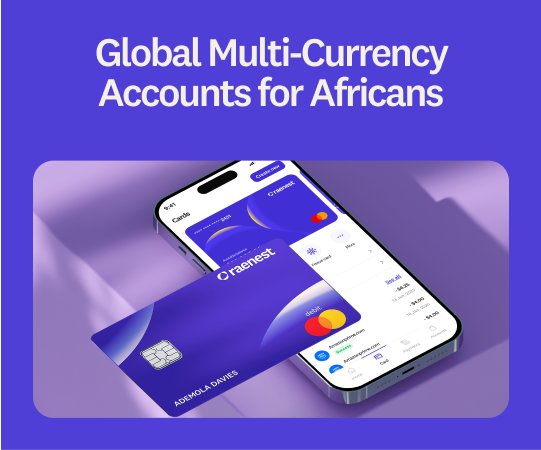
Raenest is a global money platform built for people who receive payments internationally and want a more reliable way to manage that inflow. With a Raenest account, you can:
- Open USD, GBP, and EUR global accounts with real account details, so clients and employers pay you as though you were local.
- Receive money by ACH with one free deposit before August 31, then a flat $2 per transfer after that, whatever the amount.
- Get Upwork payouts in under an hour with Raenest FastTrack, any day of the week, including weekends, at no extra cost.
- Receive USDT and USDC, automatically converted to USD at one-to-one value.
- Create professional invoices for one-off and recurring clients in minutes.
- Convert to pesos at competitive rates and withdraw to your local bank or wallet like GCash or Maya.
- Send money across more than 160 countries.
🔗 Want to know more about a Raenest account? Here's how professionals in the Philippines can use Raenest.
A domiciliary bank account with a local bank
Some Philippine banks let you open a foreign currency account that can receive US dollars, and for a long time this was the most popular way to receive international payments. It still works, but these days many people have moved on, as the heavy paperwork and account fees, along with shifting exchange rates, make it harder to sustain. For money coming in regularly from the US, it tends to be slower and pricier than a virtual account.
International remittance services
Services like Remitly, WorldRemit, and Wise are popular for one-off transfers, and they pay out fast, often to your bank account or an e-wallet like GCash. They're handy when family sends money home, but they rarely give you your own US account details, so you can't easily keep funds in US dollars, and the fees and exchange margins shift from one service and payout method to the next. They work best as a backup rather than your main way to get paid.
Weighed on cost and control, a virtual USD account comes out ahead for anyone receiving from the US more than once. Here's how to set one up with Raenest.
How to receive US payments with Raenest
Setting up takes a few minutes, and you only do it once.
Step 1: Download the app
Download the Raenest app from the App Store or Google Play and sign up with your email.
Step 2: Register and secure your account
Select the Philippines as your country of residence, verify your email, and create a secure password.
Step 3: Verify your identity
Complete identity verification (KYC) with a valid government-issued ID. This keeps your account compliant and ready for international payments.
Step 4: Open your USD account
Open a USD account to get your US account details, ready to receive payments from the US.
Step 5: Share your details and get paid
Send your US account details to your employer, client, or family in the US, and they can pay you by local bank transfer. When the money arrives in US dollars, keep it in USD or convert to pesos when the rate suits you, then withdraw to your local bank.
Final thoughts
Receiving US dollars in the Philippines shouldn't cost you a massive slice of every payment. With a virtual USD account from Raenest, you can receive dollars from the US, keep them until the rate is favourable, and convert to pesos with low fees.
Open your free Raenest account today and start receiving from the US the easy way.
Frequently asked questions
1. Can I receive US dollars in the Philippines?
Yes. A Raenest USD account gives you real US account details, so senders in the US can pay you by local bank transfer. You then keep the money in USD or convert to pesos whenever you choose.
2. What's the cheapest way to receive money from the US in the Philippines?
A virtual USD account is usually the cheapest because it avoids costly international wire transfers and lets you convert to pesos at a fair rate. With Raenest, you get one free deposit till Aug 31, then a flat $2 per incoming deposit in the philipines.
3. How long do US payments take to arrive?
Payments sent to your Raenest US account via local bank transfer arrive quickly, often within 1 to 3 business days, far faster than a traditional international wire transfer.
4. Can I convert US dollars to pesos with Raenest?
Yes. You keep your money in USD and convert to pesos in the app when the rate suits you, then withdraw to your local bank.
.jpg)

